- Details
How bacteria protect themselves from plasma treatment
Plasmas are applied in the treatment of wounds to combat pathogens that are resistant against antibiotics. But bacteria know how to defend themselves.
Considering the ever-growing percentage of bacteria that are resistant to antibiotics, interest in medical use of plasma is increasing. In collaboration with colleagues from Kiel, researchers at Ruhr-Universität Bochum (RUB) investigated if bacteria may become impervious to plasmas, too. They identified 87 genes of the bacterium Escherichia coli, which potentially protect against effective components of plasma. “These genes provide insights into the antibacterial mechanisms of plasmas,” says Marco Krewing. He is the lead author of two articles that were published in the Journal of the Royal Society Interface this year.
A cocktail of harmful components stresses pathogens
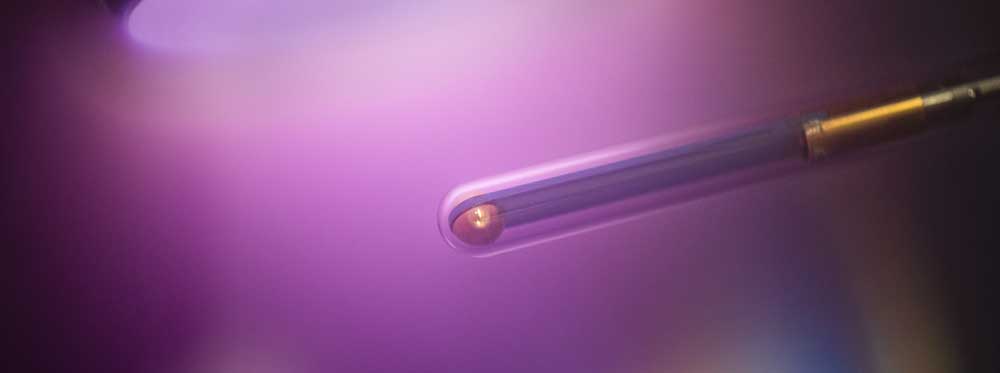
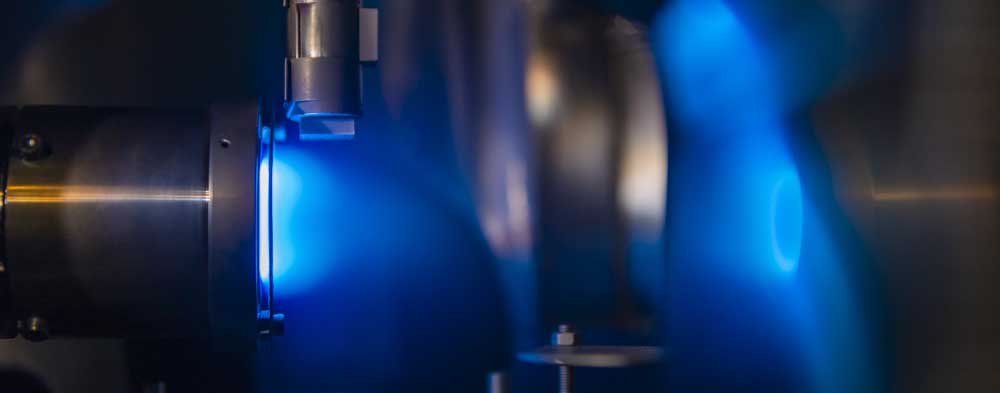
Plasmas are created from gas that is pumped with energy. Today, plasmas are already used against multi-resistant pathogens in clinical applications, for example to treat chronic wounds. “Plasmas provide a complex cocktail of components, many of which act as disinfectants in their own right,” explains Professor Julia Bandow, Head of the RUB research group Applied Microbiology. UV radiation, electric fields, atomic oxygen, superoxide, nitric oxides, ozone, and excited oxygen or nitrogen affect the pathogens simultaneously, generating considerable stress. Typically, the pathogens survive merely several seconds or minutes.
In order to find out if bacteria, may develop resistance against the effects of plasmas, like they do against antibiotics, the researchers analysed the entire genome of the model bacterium Escherichia coli, short E. coli, to identify existing protective mechanisms. “Resistance means that a genetic change causes organisms to be better adapted to certain environmental conditions. Such a trait can be passed on from one generation to the next,” explains Julia Bandow.
Mutants missing single genes
For their study, the researchers made use of so-called knockout strains of E. coli. These are bacteria that are missing one specific gene in their genome, which contains approximately 4,000 genes. The researchers exposed each mutant to the plasma and monitored if the cells kept proliferating following the exposure.
“We demonstrated that 87 of the knockout strains were more sensitive to plasma treatment than the wild type that has a complete genome,” says Marco Krewing. Subsequently, the researchers analysed the genes missing in these 87 strains and determined that most of those genes protected bacteria against the effects of hydrogen peroxide, superoxide, and/or nitric oxide. “This means that these plasma components are particularly effective against bacteria,” elaborates Julia Bandow. However, it also means that genetic changes that result in an increase in the number or activity of the respective gene products are more capable of protecting bacteria from the effects of plasma treatment.
Heat shock protein boosts plasma resistance
The research team, in collaboration with a group headed by Professor Ursula Jakob from the University of Michigan in Ann Arbor (USA), demonstrated that this is indeed the case: the heat shock protein Hsp33, encoded by the hslO gene, protects E. coli proteins from aggregation when exposed to oxidative stress. “During plasma treatment, this protein is activated and protects the other E. coliproteins – and consequently the bacterial cell,” Bandow points out. An increased volume of this protein alone results in a slightly increased plasma resistance. Considerably stronger plasma resistance can be expected when the levels of several protective proteins are increased simultaneously.
By Meike Drießen, Translated by Donata Zuber
- Details
Poster Prize for Christoph Stewig (A3) at the Conference for Plasma Technology 19 in Cottbus
Christoph Stewig was awarded with one of the three poster prizes at the bi-annual conference on plasma technology in Cottbus.
- Details
Mercator Fellow SFB-TR 87
Prof. Kushner visits research group Awakowicz
Mark Kushner confirmed his visit to the RUB from the 03.-07.06.2019. A workshop will take place on Monday (03.06.2019) with a talk from Mark as well as from AEPT, EP2, EP5, and TET. For organizing the workshop and the talks, we would ask every institute to present TWO talks on their research. Therefore, please send us a title for your talks until the 29.04.2019.
- Details
Prof. Uwe Czarnetzki awarded International Fellow of the Japan Society of Applied Physics
Prof. Uwe Czarnetzki from project A1/A2 of the CRC 1316 was awarded international fellow of the Japan Society of Applied Physics. The award ceremony will be held September 18th, 2019 during the Japan Society of Applied Physics autumn meeting. During the ceremony, the honored fellows are invited to present their scientific contribution. The status of international fellows of the Japan Society of Applied Physics is an honor awarded to scientists who support the progress of the Japan Society of Applied Physics in recognition of their achievements. Congratulations!
- Details
Successful Frontiers conference in Bad Honnef
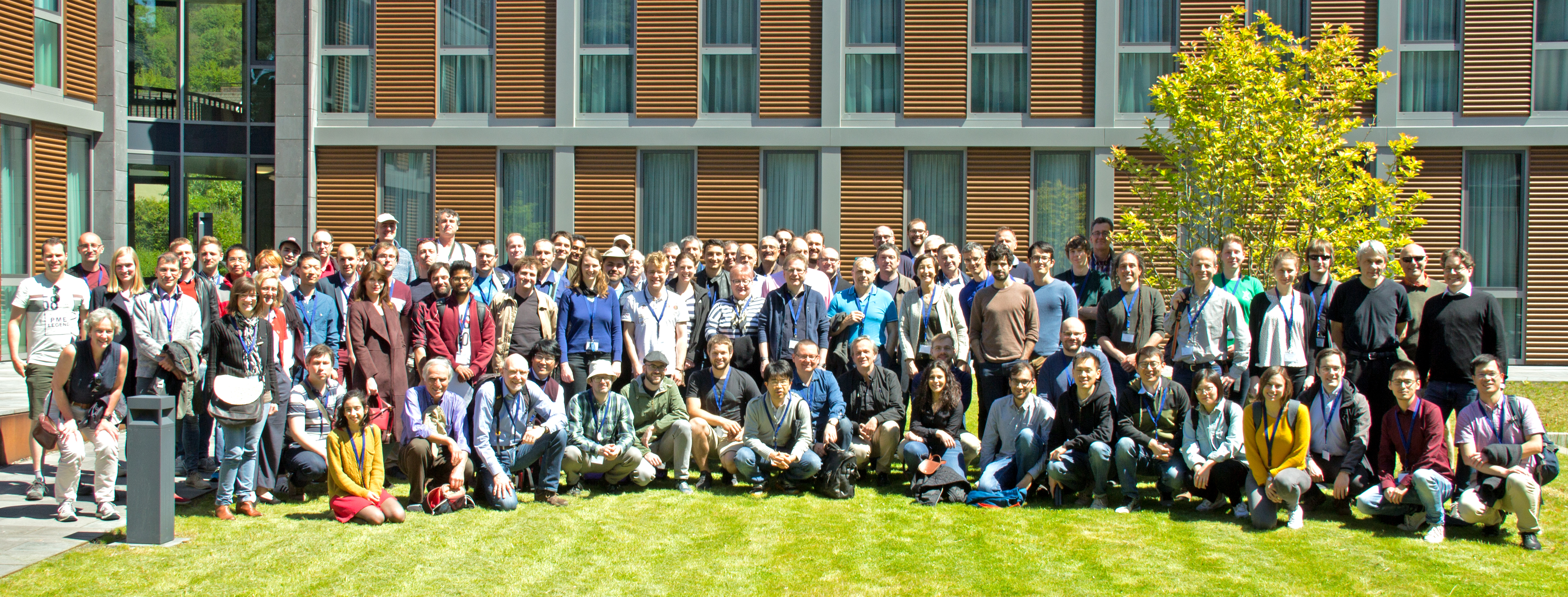
Between May 12th and May 16th, 2019, the 13th Frontiers in Low-Temperature in Plasma Diagnostics and 1st Frontiers in Low-Temperature Plasma Simulations was held in the Physikzentrum in Bad Honnef.
The conference was organized by the Research Department Plasmas with Complex Interactions and chaired by Prof. Czarnetzki from the SFB 1316. In total, 103 participants joined the diagnostics and simulation meeting.
Scientists from both collaborative research centers, SFB TR 87 and SFB 1316, attended the meeting and presented five poster and four oral contributions. Julian Held, PhD student in project A5 of the SFB-TR 87, was awarded the prize for the best oral presentation with his contribution Velocity distribution function of atoms and ionsin HiPIMS by Doppler broadening of optical emission lines during the conference. Congratulations to him!
- Details
Teenagers enjoy plasma physics
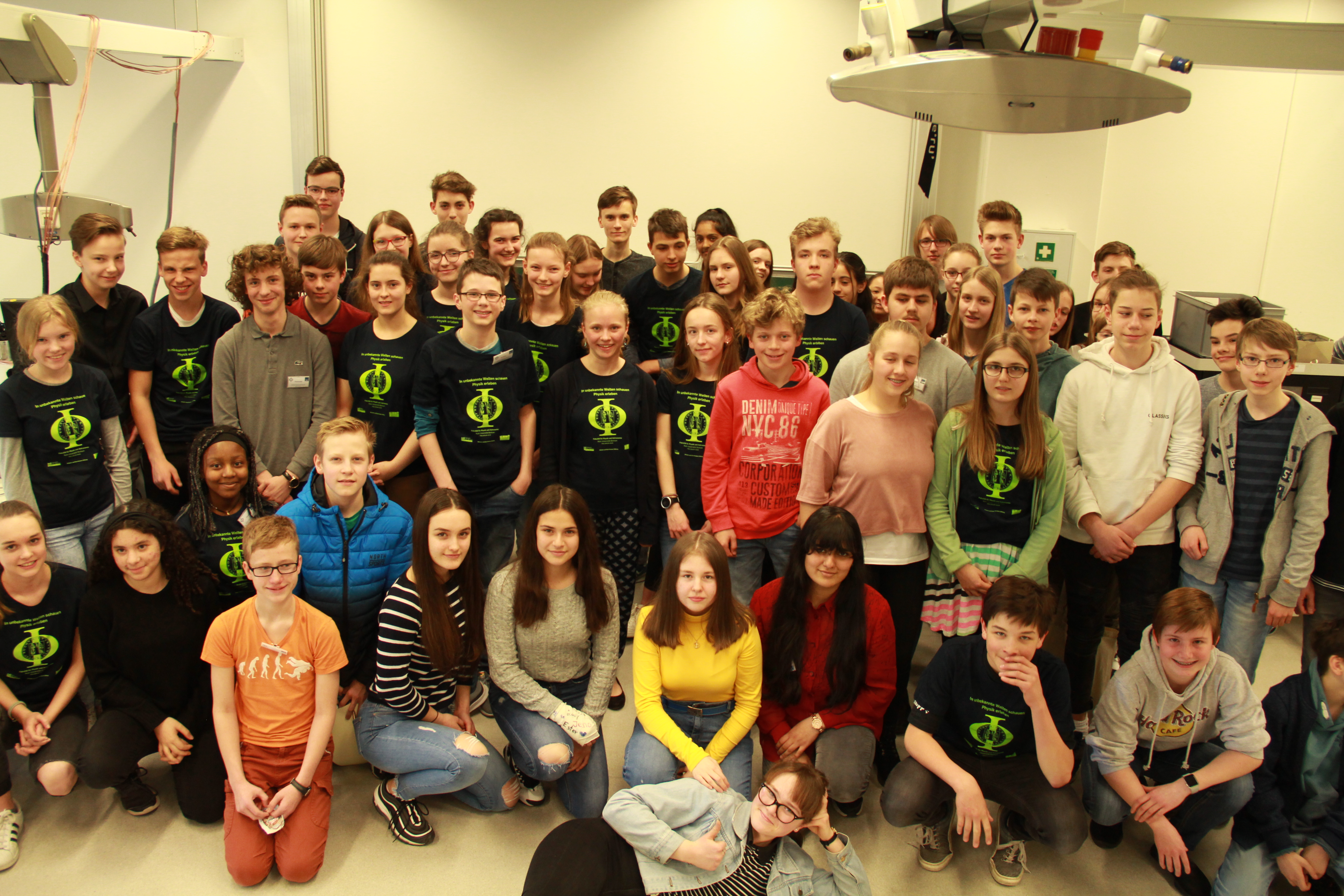
During the Easter holidays the Schülerprojektwoche for 14 and 15 year old pupils took place at the Ruhr-University Bochum. The Schülerprojektwoche is an established part of public relations for pupils and is, belong others, financed by both SFBs.
For one week 60 girls and boys did experiments in four different workshops, namely “astronomy”, “plasma physics”, “energy efficient house building” and “physics in medicine”.
In the plasma project, which was supervised by PhD and Master students of both SFBs, the pupils deposited thin gold layers on glass substrate using a plasma coater. Additionally, they characterized different samples regarding thickness, optical transmission and conductivity in dependence of the plasma deposition time.
Besides the workshops, the girls and boys experienced university life. They attended a lecture, visited “real” physics laboratories and watched a show at the planetarium in Bochum. At the end of the 4 days, they created posters and presented their results of the workshops to the other pupils during a poster session.
The Schülerprojektwoche was successfully finished with a quiz duel about the learned physics between the four workshop groups. Here, the plasma physics group won and was awarded with a cup.
- Details
Lab visit
Dr. habil. Sedina Tsikata visits plasma labs in Bochum
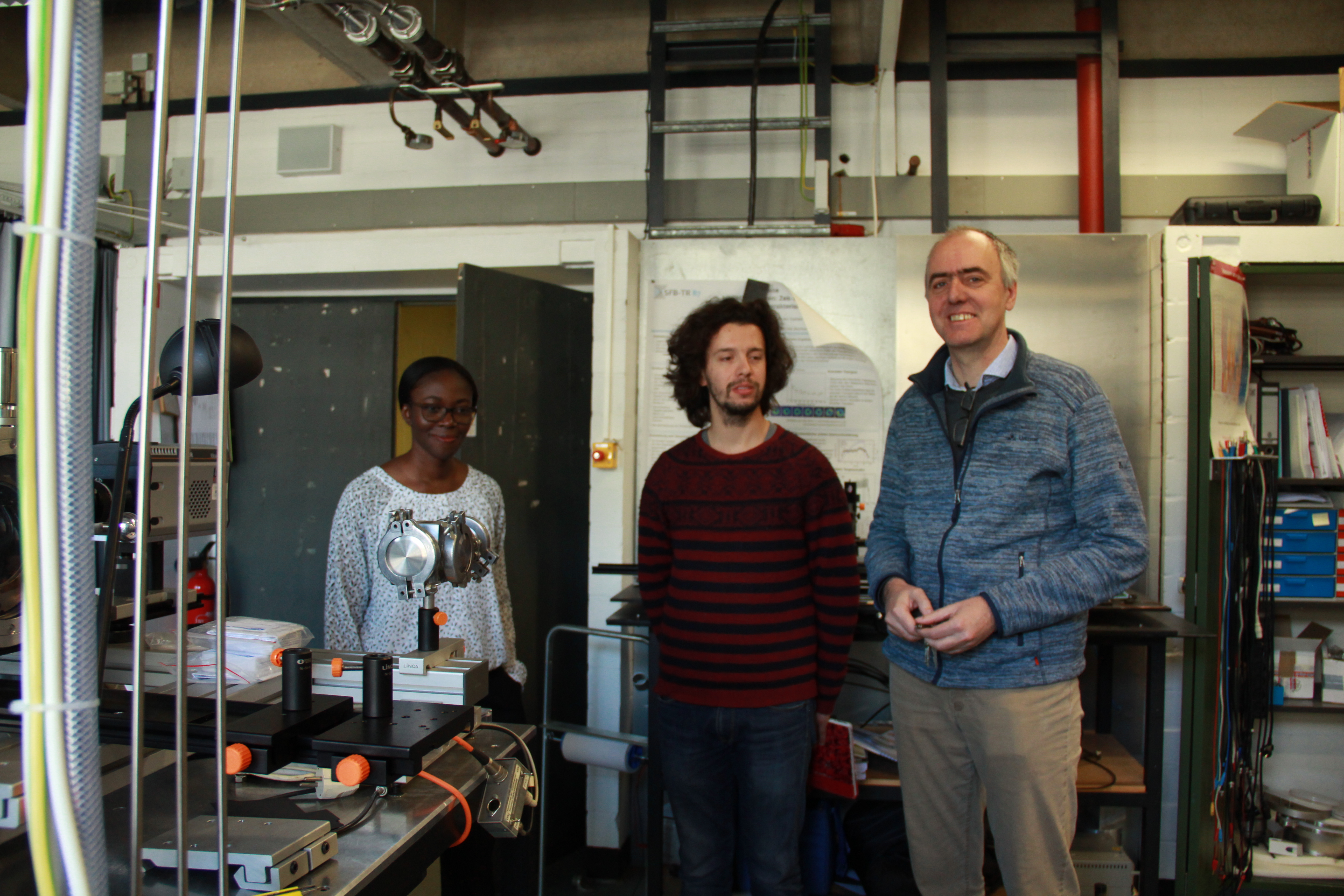 Within the frame of the physics collquium at Ruhr University in Bochum, Dr. habil. Sedina Tsikata from CNRS Orléans, France was invited to present her reserach topic. Her presentation had the title "With plasmas into space - physics of Hall thrusters". The visit was also used to discuss recent research topics with the groups of Prof. A. von Keudell and Prof. U. Czarnetzki.
- Details
PhD students enhance their English skills
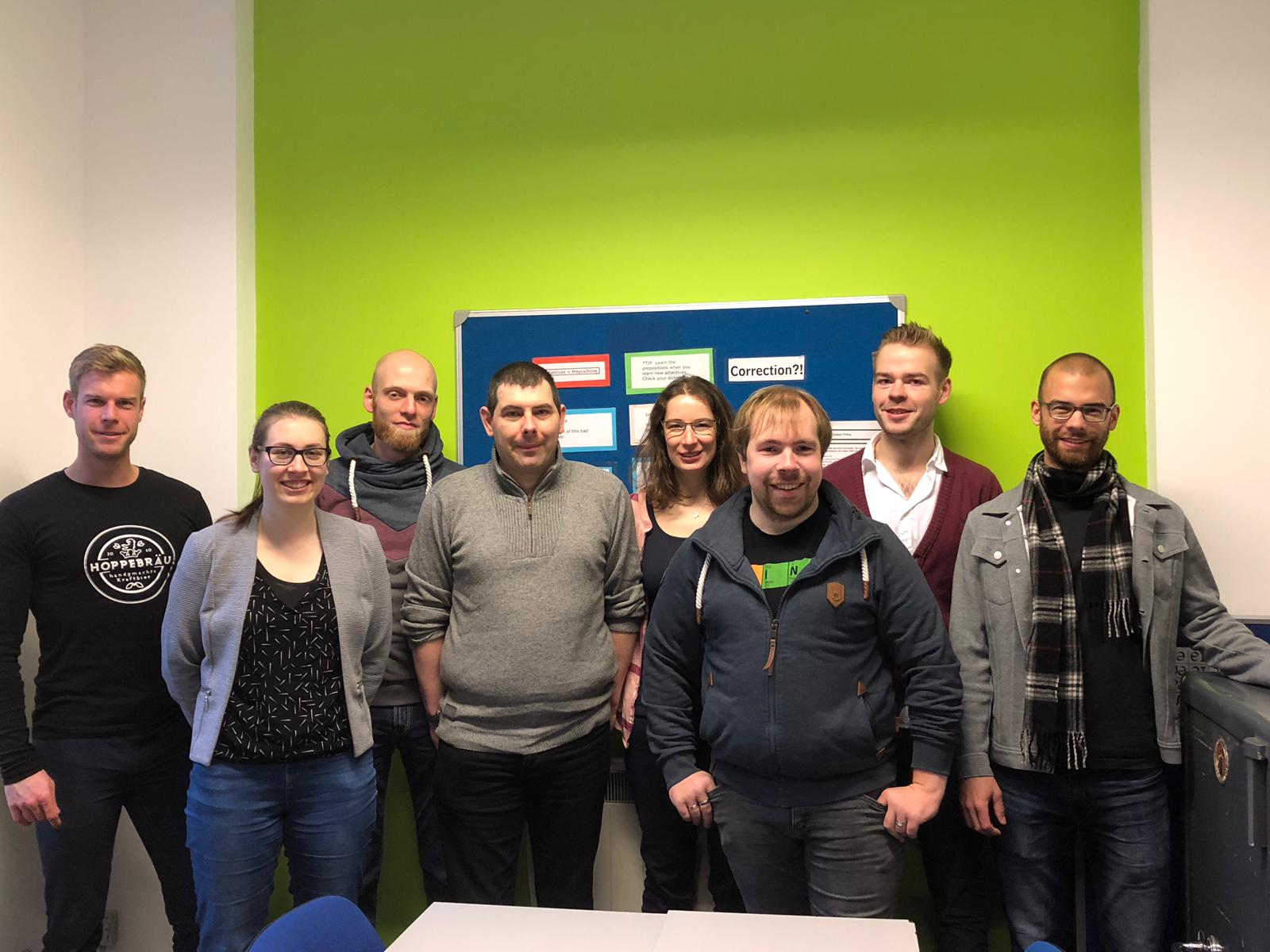
In February, 8 PhD students of both SFBs, SFB-TR87 and SFB 1316, attended a language school in London for one week. The focus of this week was "presenting in English". In small groups of 4 PhD students with one teacher each they learned a lot about structuring a successful presentation and delivering arguments clearly and convincingly. Besides studying English phrases for presentations and leading discussions, they also discussed rhetoric and body language. By giving many prepared and spontaneous talks in the class, they applied directly what they have learned.
During the week they deepened their knowledge not only in presentation skills, but also in British culture and literature by reading common novel paragraphs such as Oscar Wilde.
Besides the English workshop the group enjoyed the stay in London and went for example to the musical Alladin and visited the British museum and the Tate modern. All in all, it was a successful week and the Phd sstudents from Bochum, Aachen, Cottbus, and Paderborn are grateful for the opportunity and support by the SBFs for this workshop.
- Details
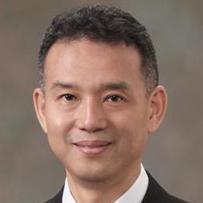
New Mercator fellow of the CRC 1316 - Prof. Dr. Satoshi Hamaguchi, University of Osaka
Prof. Satoshi Hamaguchis research focus on plasma-material interactions in general, including their industrial applications. The aim of research is to understand fundamental mechanics of plasma-material interactions under various conditions. To achieve this, we combine plasma/beam experiments with numerical simulation/modeling. More specifically our current research topics include 1) etching, deposition, and surface modification processes for micro/nano electronics device manufacturing, 2) surface modification and functionalization of biomaterials by plasmas, 3) processing of water and biological systems by atmospheric-pressure plasmas mainly for applications in plasma medicine and plasma agriculture, and 4) dynamics and chemical reactions in plasmas under various conditions, including atmospheric-pressure plasmas.
Prof. Hamaguchi is also coordinator of the JSPS core-to-core program "Establishment of the Center for Collaborative Research in Data-Driven Plasma Science " that connects Osaka university with Ruhr University Bochum, and the universities in Bologna, Aix-Marseille, and York. In the framework of this program the sending side covers international airfare and the receiving side covers maintenance and the domestic travel costs. The hosting side covers the cost of holding the seminars.
- Details
Visit to the GREMI (Université d‘Orléans, France)
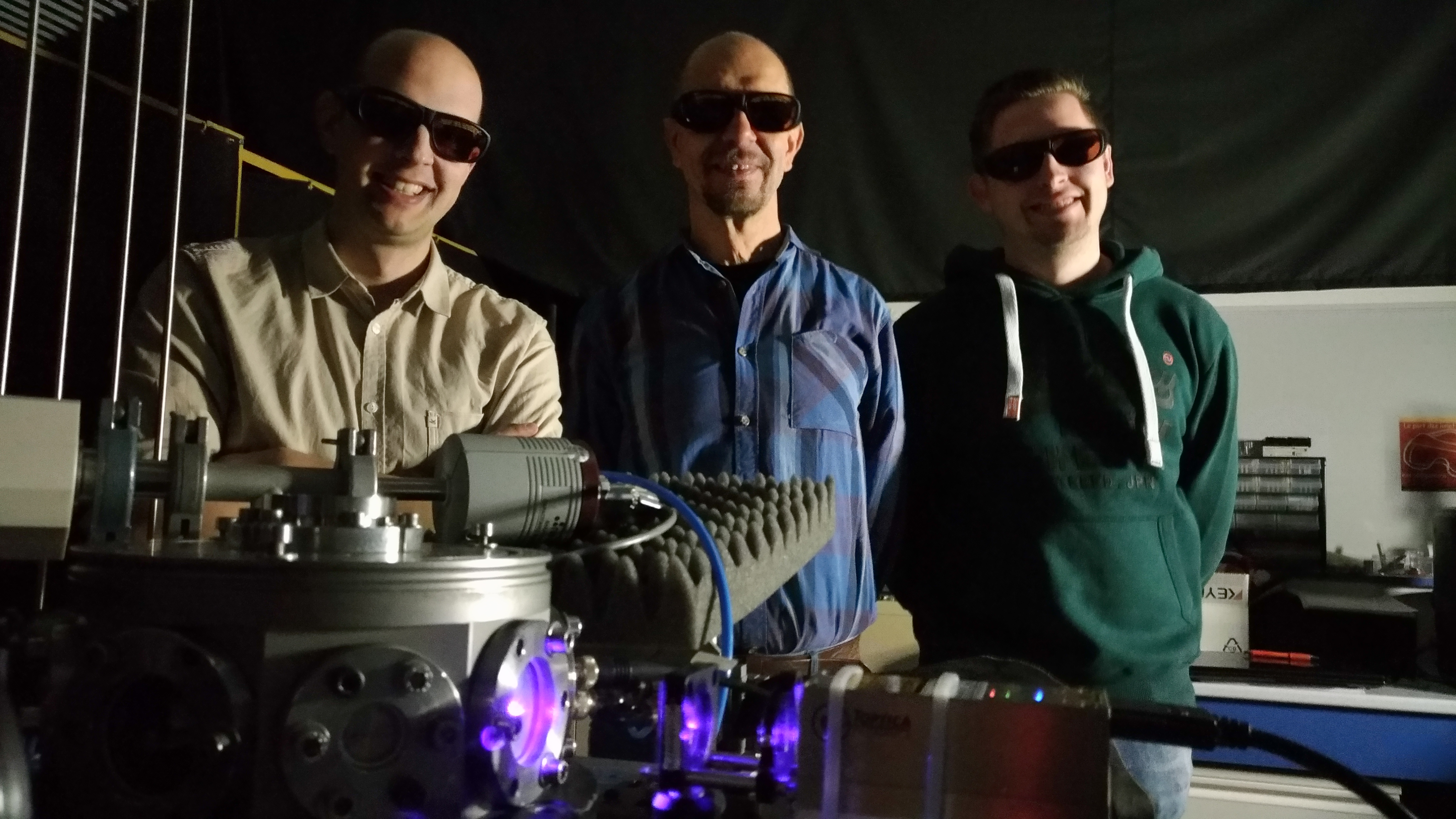
From 18. to 28.02.2019, Simon Kreuznacht and Dr. Volker Schulz-von der Gathen visited Dr. Sylvain Iseni within the long-term cooperation with the group of Remi Dussart at the GREMI – a CNRS institute located at the University of Orléans. During that stay, they prepared a laser diagnostic measurement of the gas temperature very close to the surface of a DC-driven micro-cavity discharge array.
- Details
International School on Low Temperature Plasma Physics: Basics and Applications
The traditional summer school on low temperature plasma physics will go on in Octobre this year. The summer school takes place in Physikzentrum in Bad Honnef and is from Octobre 5th, 2019 until Octobre 10th, 2019. After the school, the master class will be from Octobre 10th, 2019 until Octobre 12th, 2019.
Participants are welcomed to sign in for registration until June 15th, 2019. Due to limitation in the number of rooms at the Physikzentrum, the attendance is limited.
- For more information, see Homepage Summer School