
- Details
In the Eye of the Plasma Storm
Researchers hope to use plasmas to make the production of hydrogen and steel more environmentally friendly. The key to this is a tornado that they generate in a lab.
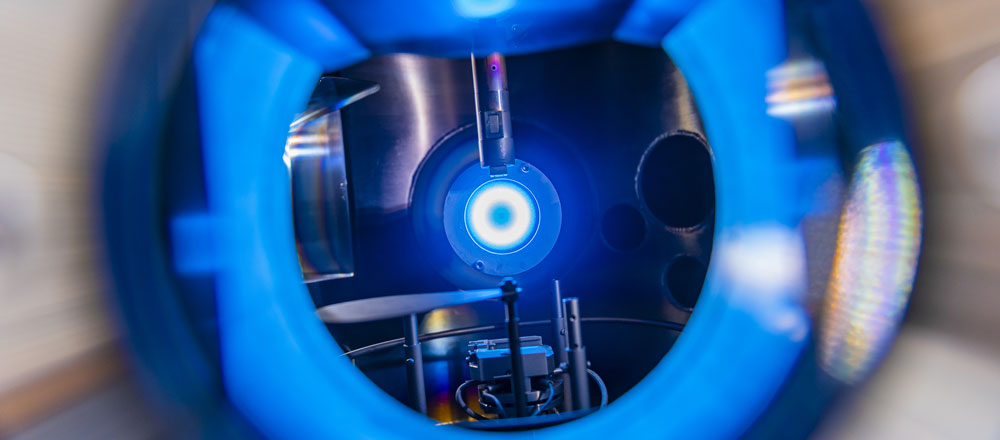
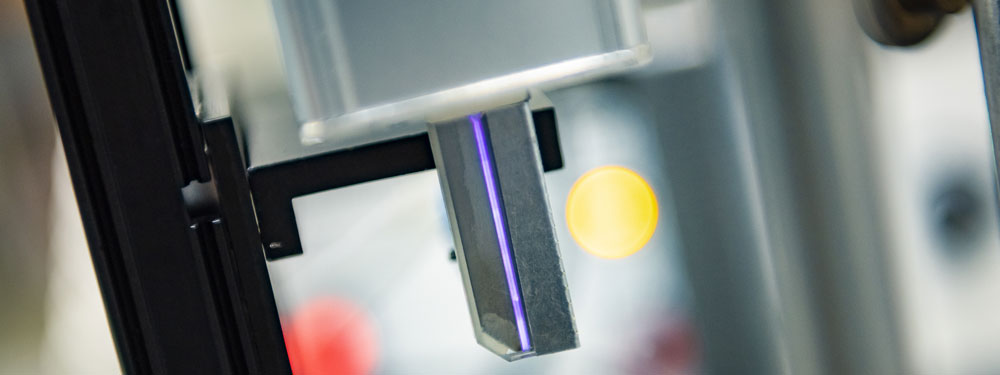
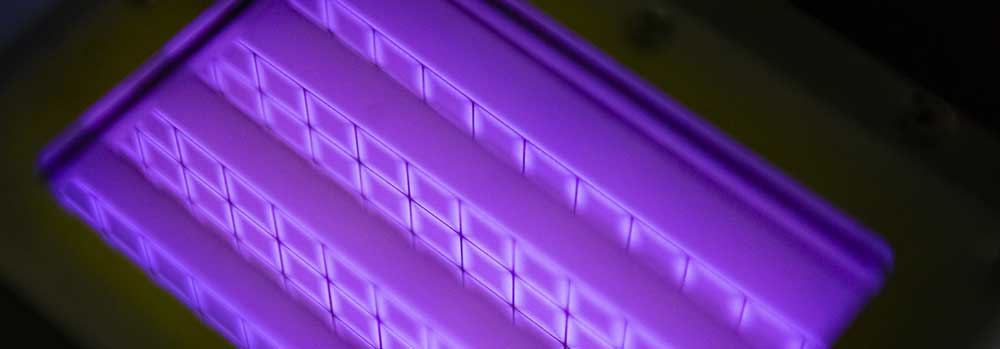
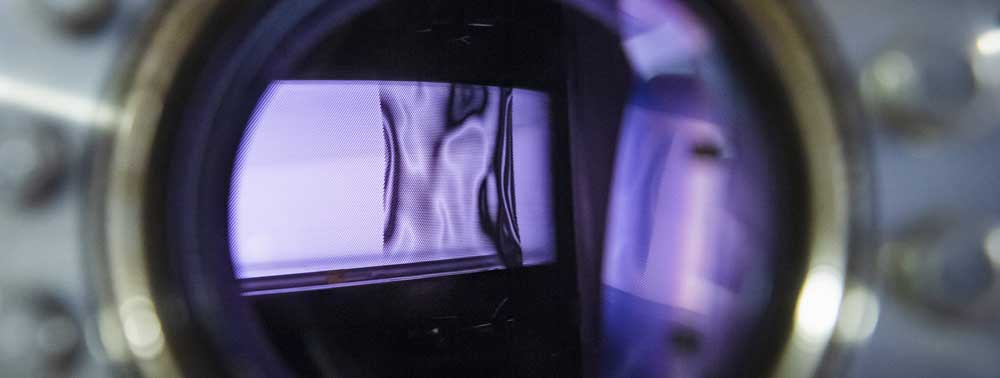
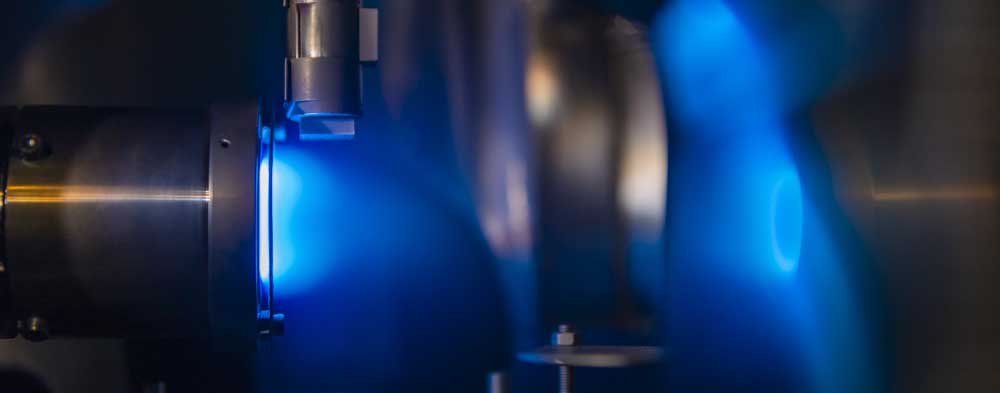
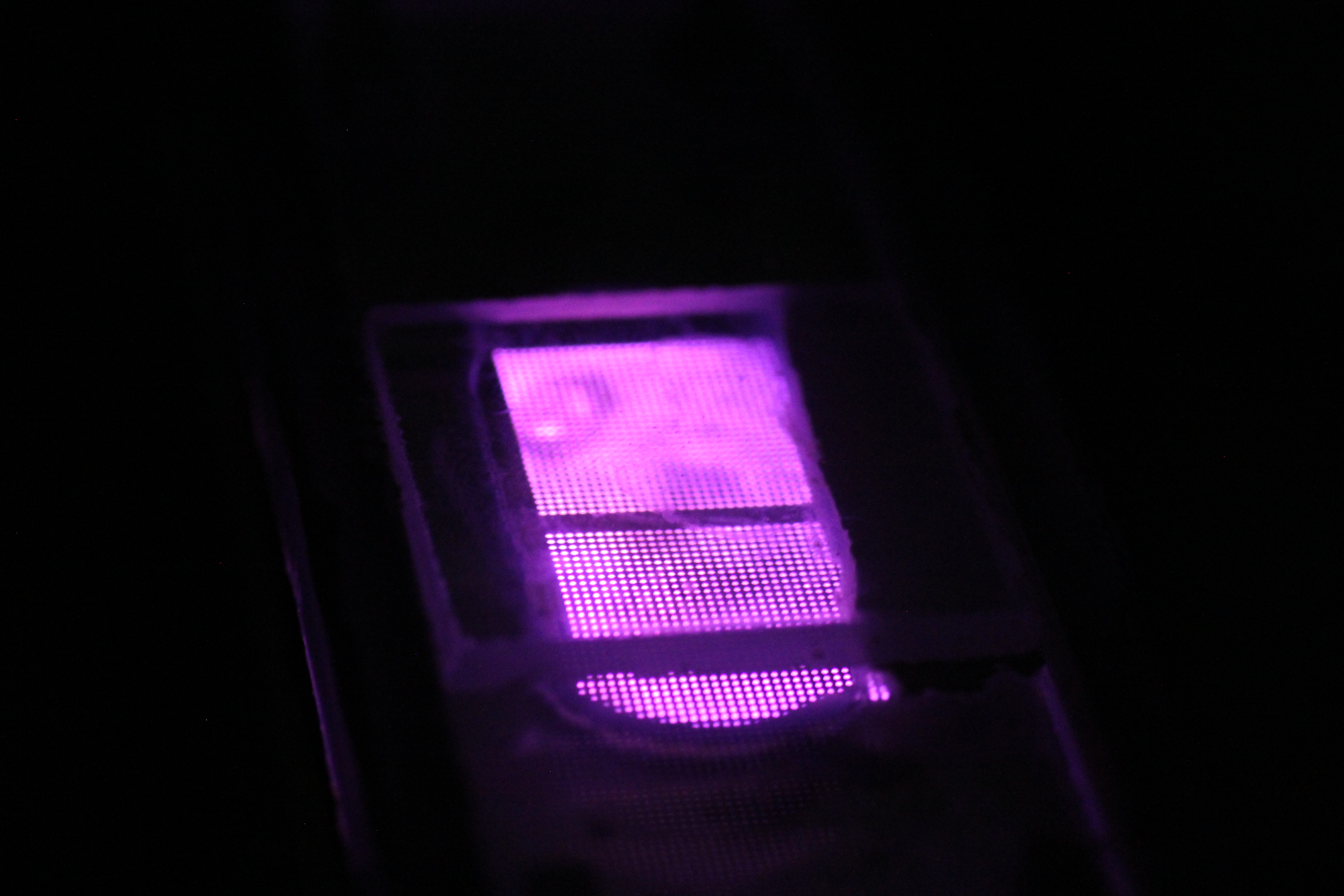
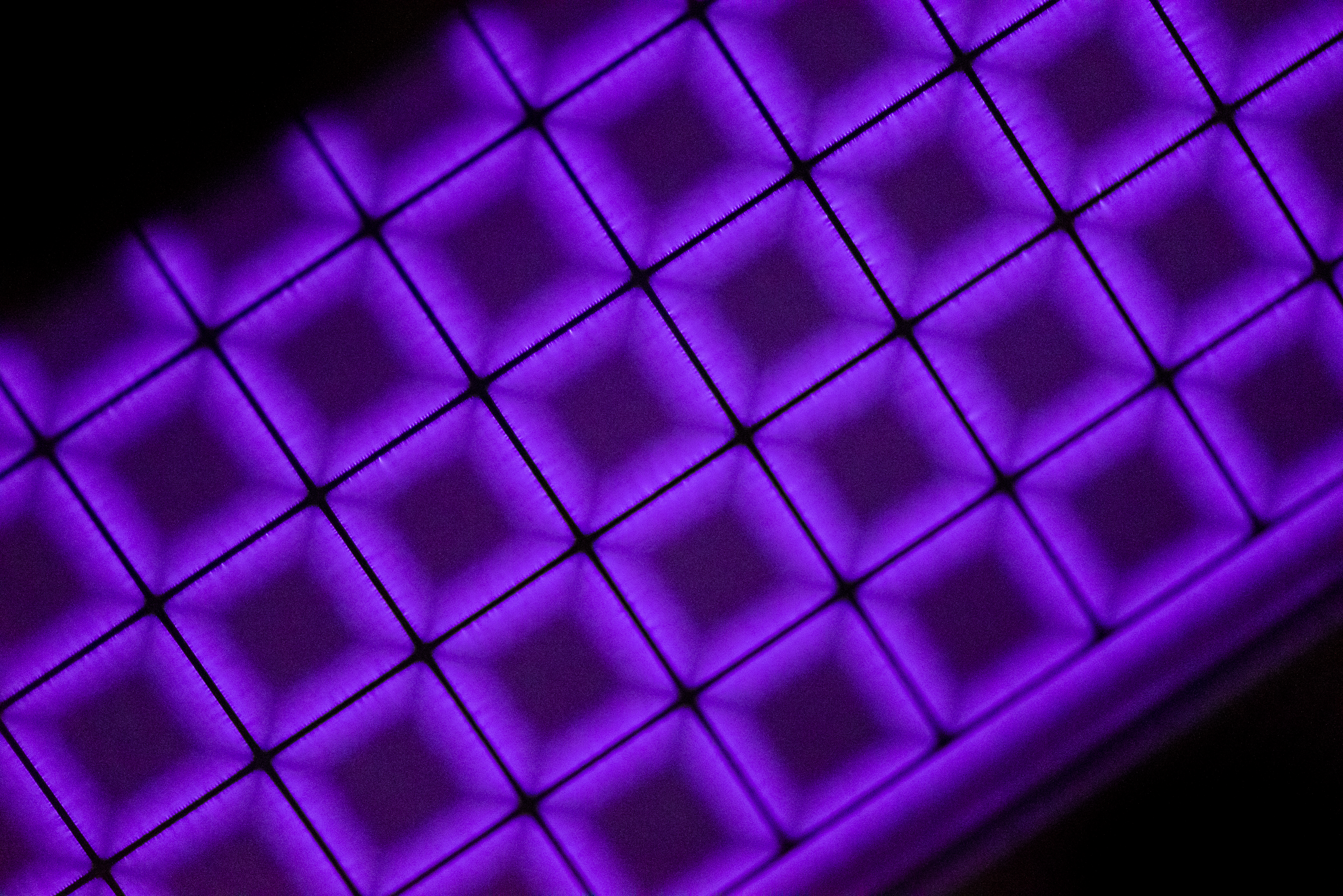
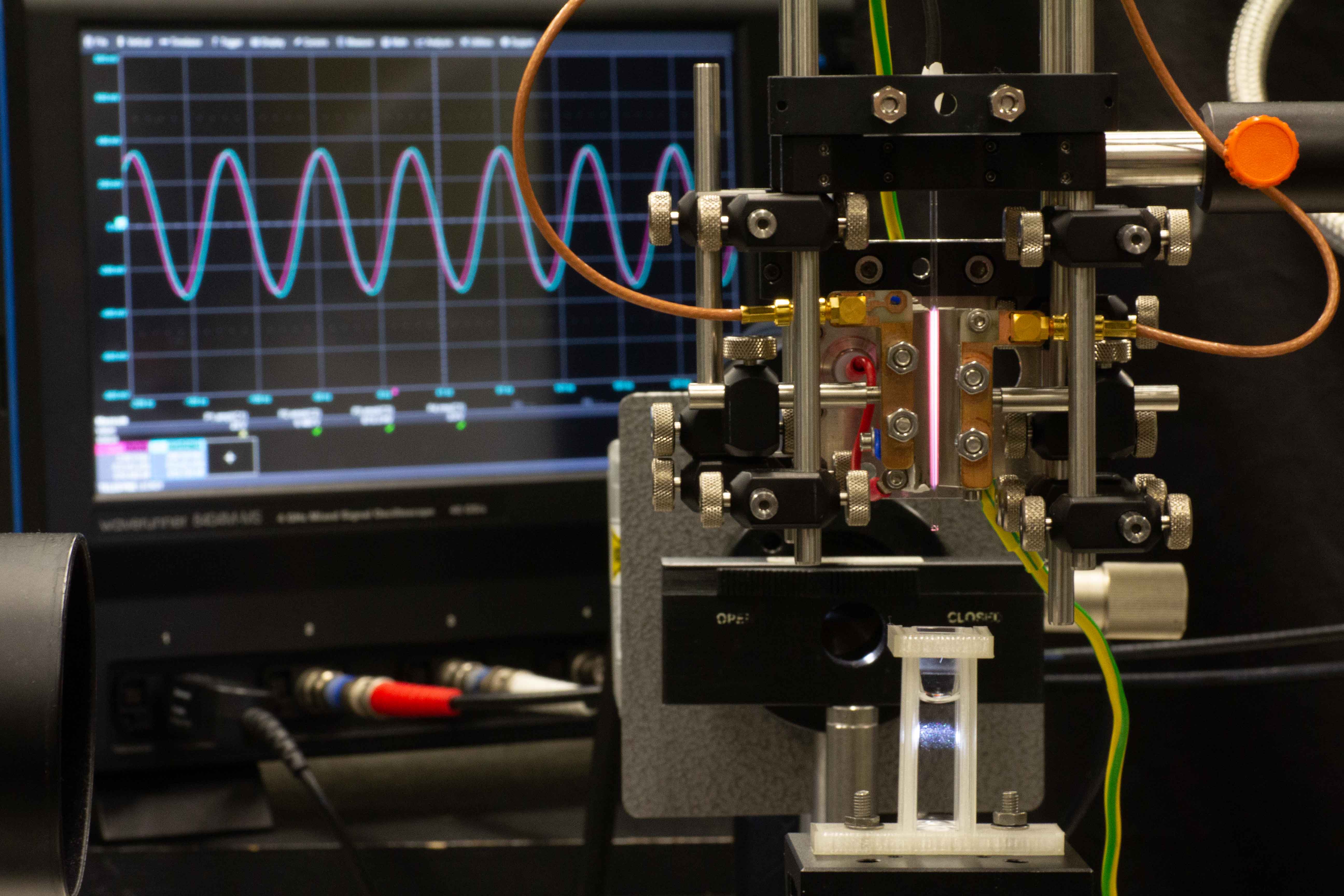
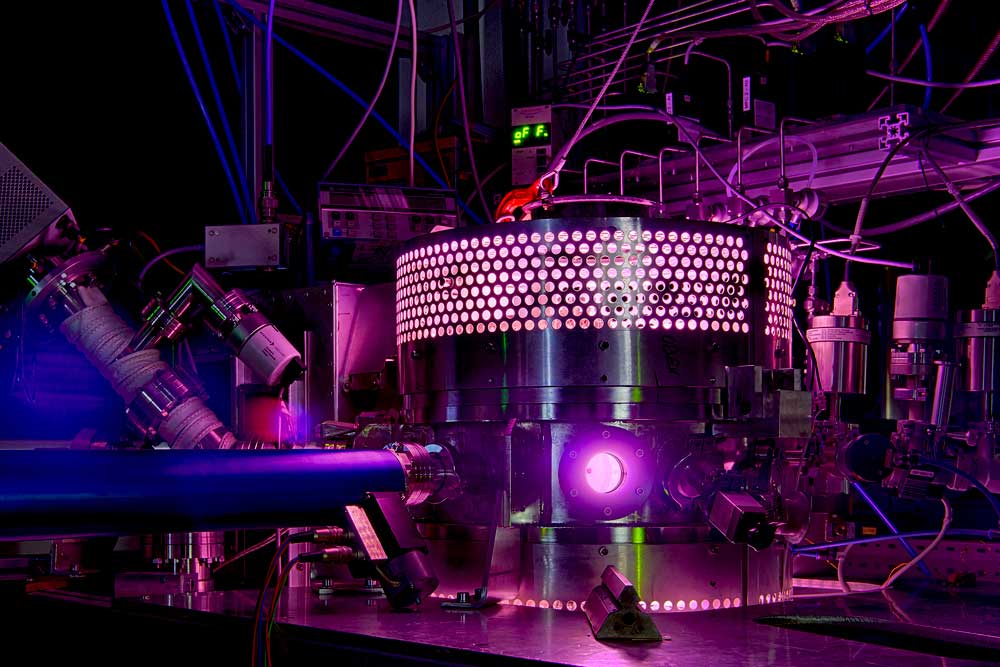
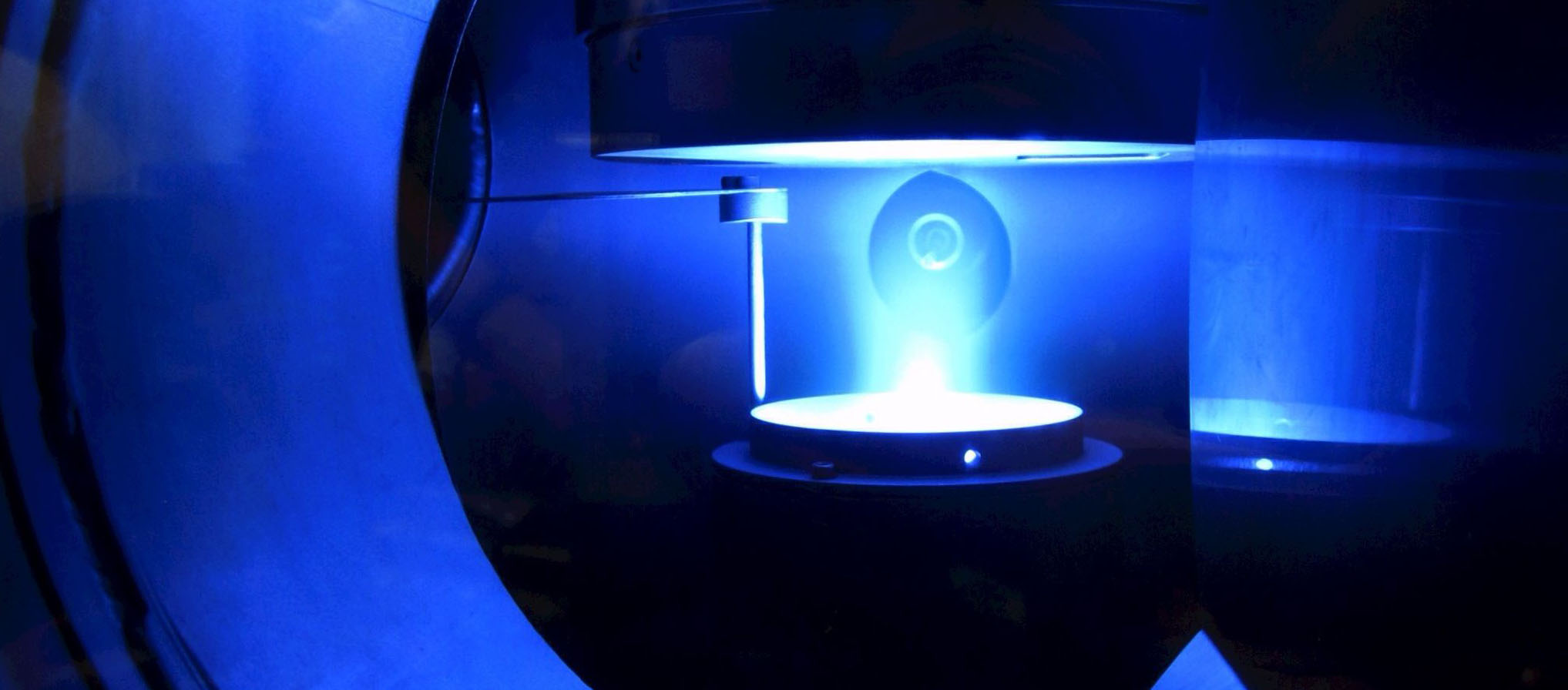
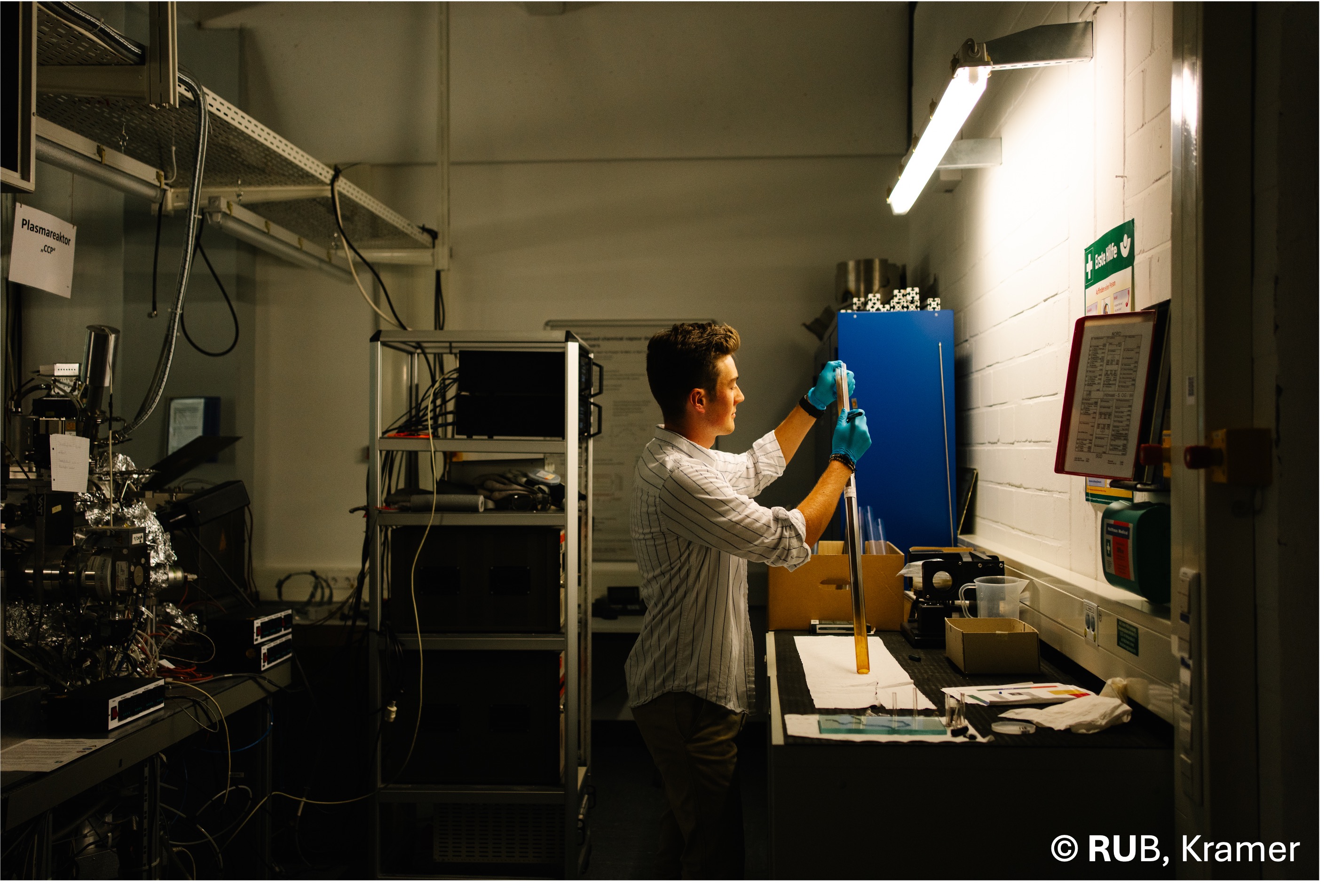 There is a storm brewing in the physics lab in Bochum, and talk of tornados and temperatures of thousands of degrees Celsius. Yet this has nothing to do with the climate: The labs house all manner of metallic devices with small windows that show colorful lights. These glowing objects within the reactors – which conveniently fit on a table – are plasmas. And they can do just about anything: Plasma can be used to sterilize surgical instruments, brighten displays, or facilitate energy-intensive industrial processes.
At Ruhr University Bochum, the team in the Department of Experimental Physics II, especially Physics of Reactive Plasmas, is working on the climate-friendly production of hydrogen that can then be used to produce green steel through the use of plasmas.
Environmentally friendly hydrogen production
Gray hydrogen is obtained through steam reforming of natural gas containing methane, which results in high carbon dioxide (CO2) emissions. A more environmentally friendly method involves producing hydrogen by splitting water with electrical energy from renewable sources. “This type of production of green hydrogen, as we call it, is inefficient, however,” says Professor Achim von Keudell, chair of the Department of Experimental Physics II in Bochum. This is why his group is focusing on something in the middle: turquoise hydrogen. Like gray hydrogen, this is acquired from methane, but with a different chemical process: methane pyrolysis. “The methane is heated to the point that it splits into hydrogen and carbon,” von Keudell explains. Carbon accumulates as a solid, not as gaseous carbon dioxide as is the case with gray hydrogen.
“Not all carbon is the same,” von Keudell continues. “If it’s sitting there as a plain briquet, all you can do is ignite it or put it back in the mine for storage. But there are also high-quality carbon nanoparticles that serve as the basis for industrial processes.” These are found in various products, from printer toner to car tires.
Carbon nanoparticles are a byproduct of the production of turquoise hydrogen via plasmas. “That makes this method of economic interest,” von Keudell notes. In his team, Dr. Simon Kreuznacht developed a plasma for this process during his doctorate.
Plasma tornado prevents reactors from melting
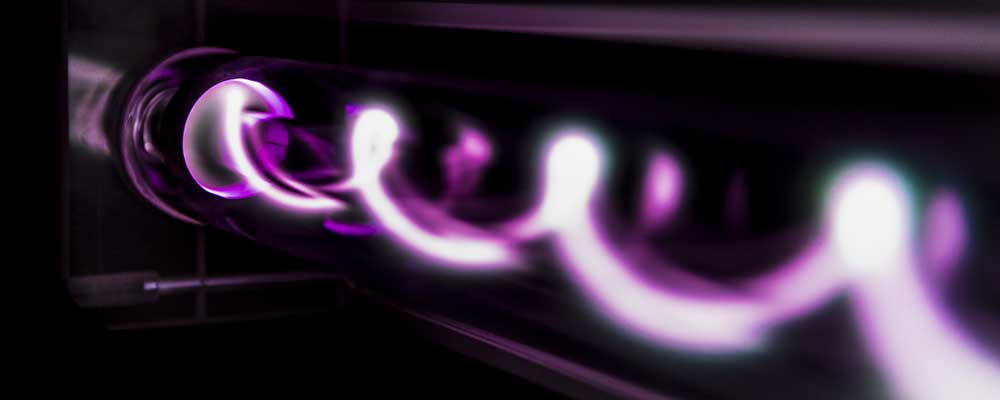
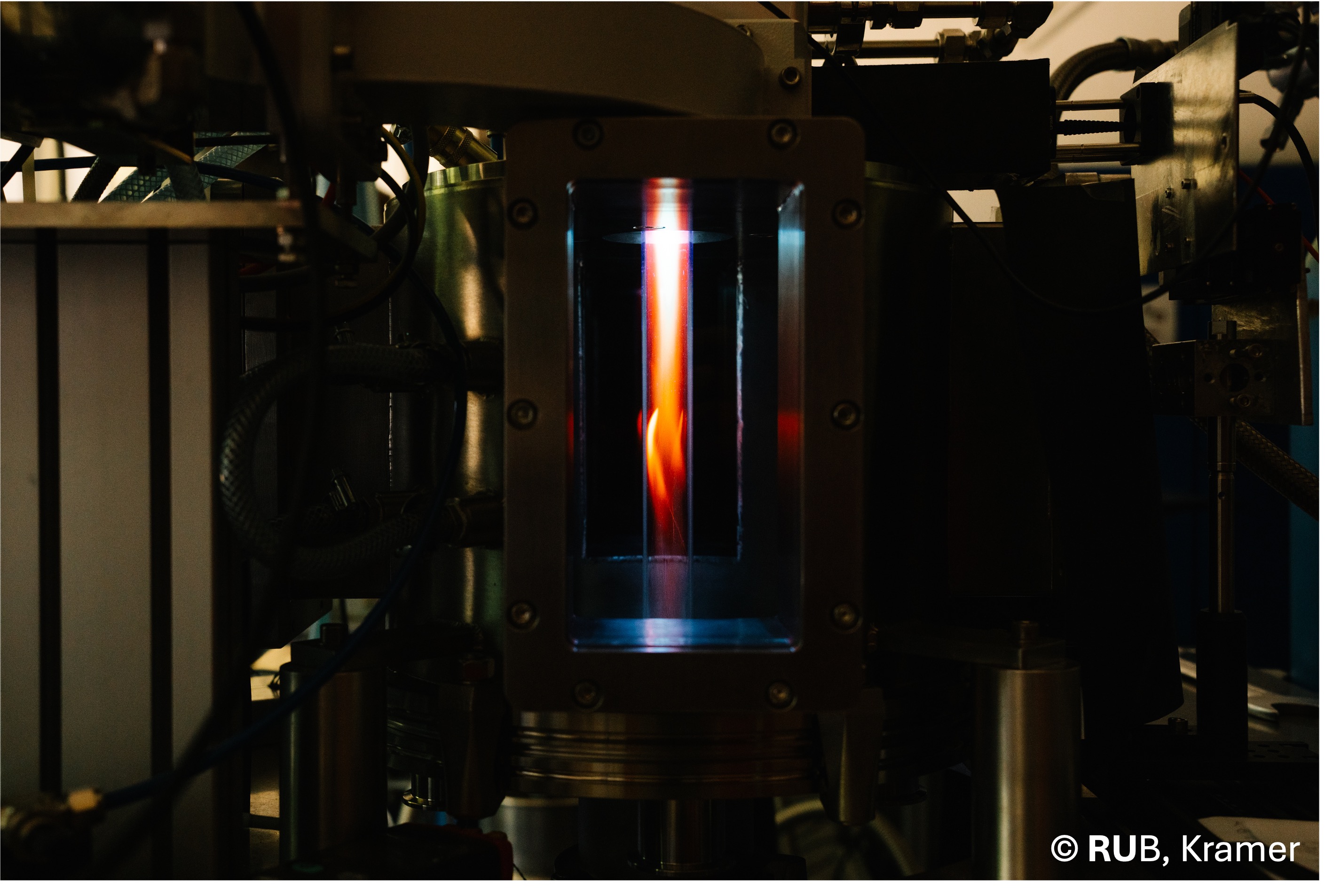
Plasmas can reach temperatures of thousands of degrees, and it is easy to reach the temperatures needed for methane pyrolysis. “You have to make sure the plasma doesn’t overheat to the point that the reactor melts,” says von Keudell. To prevent this, Simon Kreuznacht used a rotating flow: tornado plasma. The gas that plasma is made from is spun around upon being placed in the reactor and then heated up through microwave radiation. This results in a plasma tornado with a hot center of 3,500 to 5,500 degrees Celsius, and a cooler boundary zone, which itself is still around 1,700 degrees Celsius. While pyrolysis takes place in the hot center and creates hydrogen, the temperatures in the outer zone of the tornado are ideal for producing carbon nanoparticles.
 But tornado plasma is also useful for other processes, such as the production of green steel. Iron ore serves as the basis for steel production. It is comprised of iron in the form of oxygen-containing iron oxides. To extract iron from this, the ore has to be reduced: Electrons from another substance, known as the reductant, have to be transferred to the iron ore, whereby oxygen is released. Carbon in the form of coke is often used as the reductant. With the oxygen from the iron ore, it forms climate pollutants as waste products, like carbon dioxide or carbon monoxide. However, hydrogen can be used as the reductant instead of coke, with water as the resulting waste product.
High-quality steel with the plasma process
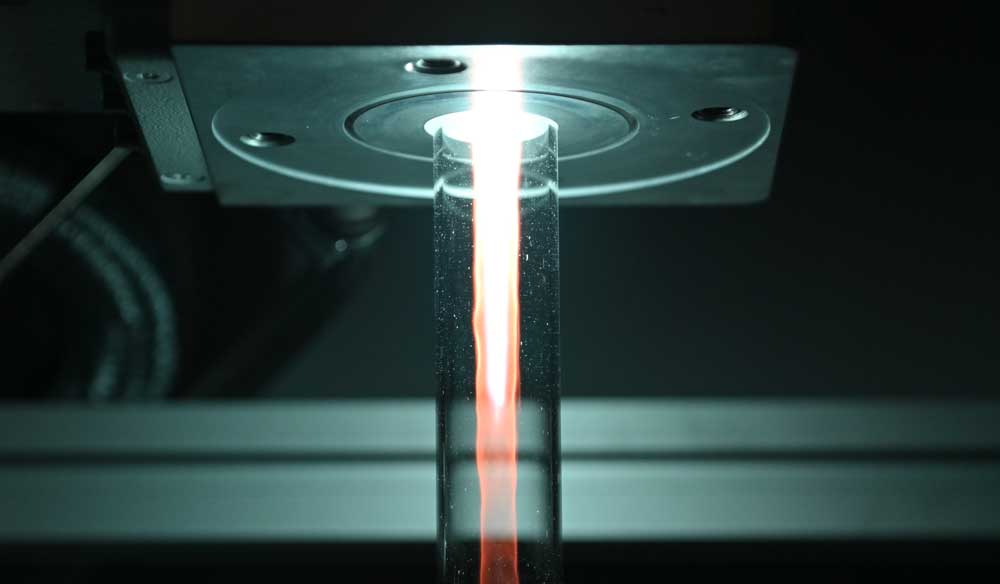
Another crucial ingredient is needed in addition to a well-functioning reductant: a lot of energy. This is where plasma comes in. Doctoral student Jonas Thiel is currently optimizing tornado microwave plasma for steel production. This involves spinning plasma gas containing hydrogen to create another plasma tornado. The iron ore is blown into the center of the tornado as a powder and fed into a quartz pipe. Here, it is excited and heated by microwave radiation so that the hydrogen gas reaches its plasma state. In the center of the plasma tornado, the iron oxide from the powdered iron ore is converted into iron, which is later turned into an alloy with other elements to form steel. Unlike other blast furnaces, the plasma process creates particularly high-quality steel.
This process already works in principle. Thiel is now fine tuning it. Numerous aspects of the plasma reactor can be precisely adjusted to influence the reaction occurring inside, which sets the reactor apart from blast furnaces. “Our current challenge is that the quartz pipe containing the plasma gets coated with the resulting metal after a while,” says Thiel. The iron is expelled from the tornado like in a carousel and accumulates on the quartz wall. “When this happens, we have to pause the process and scrub it down”, he explains.
The researchers in Bochum are able to use various measurement processes to visualize the temperature distribution in the plasma reactor, thereby observing the lifecycle of the iron and iron oxide particles in detail. The team can determine where which particles are converted and how the chemical processes depend on the size distribution of the iron ore particles. In the future, they want to test what happens when they treat the iron ore particles in the hydrogen plasma for various lengths of time or in slightly different temperatures, which allows them to approach the ideal conditions for the process.
What the glowing reveals
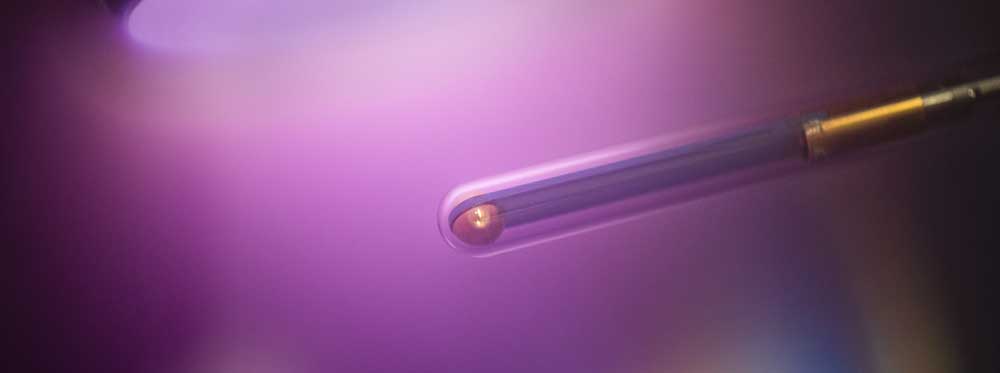
The colorful glow of the plasma also helps them balance out the results, as it contains a wealth of information. The physicists represent it in the form of a spectrum, which indicates the wavelengths at which the plasma glows, and how intensely. Certain elements or molecules emit light at specific wavelengths, so the spectrum tells researchers which particles are present in the plasma. Thus, the glow is not just decoration in the lab, but a crucial source of information for the further development of processes that could make industrial processes more sustainable.
adapted from Julia Weiler (article link)
- Details
Several contributions on the International Conference on Phenomena in Ionized Gases (ICPIG)
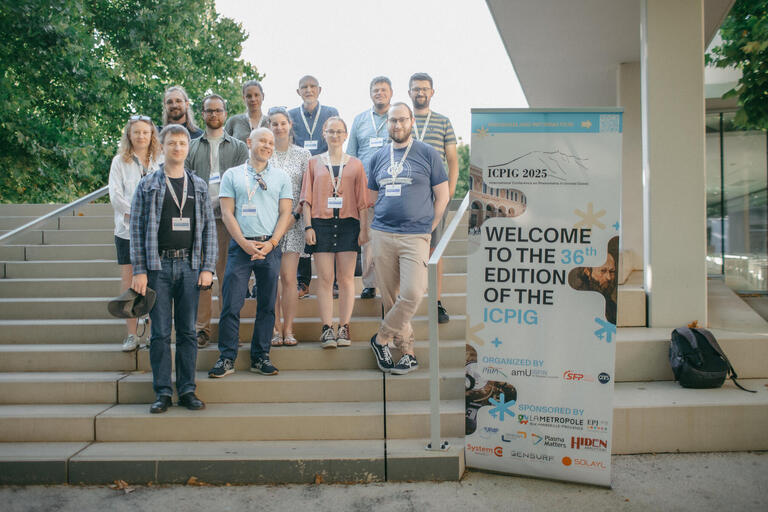 In July, the scientific work of the CRC 1316 has been presented in four talks and several posters in Aix en Provence during the ICPIG conference. At this conference, various fields within plasma physics are joined: Modelling and experiments, from fundamental research to applications. CRC Members from the physics, chemistry and engineering department contributed to the fruitful scientific exchange. One highlight was an excursion to the ITER site; the large research reactor for fusion, currently being built in Cadarache.
- Details
Premiere of the SFB1491 Planetarium Show
We are pleased to announce that the SFB1491 planetarium show Unser exotisches Universum will premiere on October 8, 2025, as part of the 10th anniversary ceremony of the RAPP Center.
The production offers audiences a unique glimpse into the wide-ranging research conducted within our CRC:
Combining cutting-edge scientific insights with visually stunning projections, the show takes viewers on a journey through the exciting world of modern physics and astrophysics — from experiments at the Large Hadron Collider (LHC) and cosmic rays in the Milky Way and other galaxies to stellar explosions and active galactic nuclei (AGNs).
Please note that the show is currently available in German only. An English version is in preparation.
Beginning October 12, the show will be presented regularly at the Planetarium Bochum and at other venues, including the LWL-Museum für Naturkunde mit Planetarium and Planetarium Mannheim .
Further information on the detailed schedule at the Planetarium Bochum can be found here.
Please also have a look at the RUB's News article on our show here.
https://www.youtube.com/watch?v=FmYDtF8V4OM?si=qsycfGYqsZnERfWR
- Details
Plasma experiments with the mouse
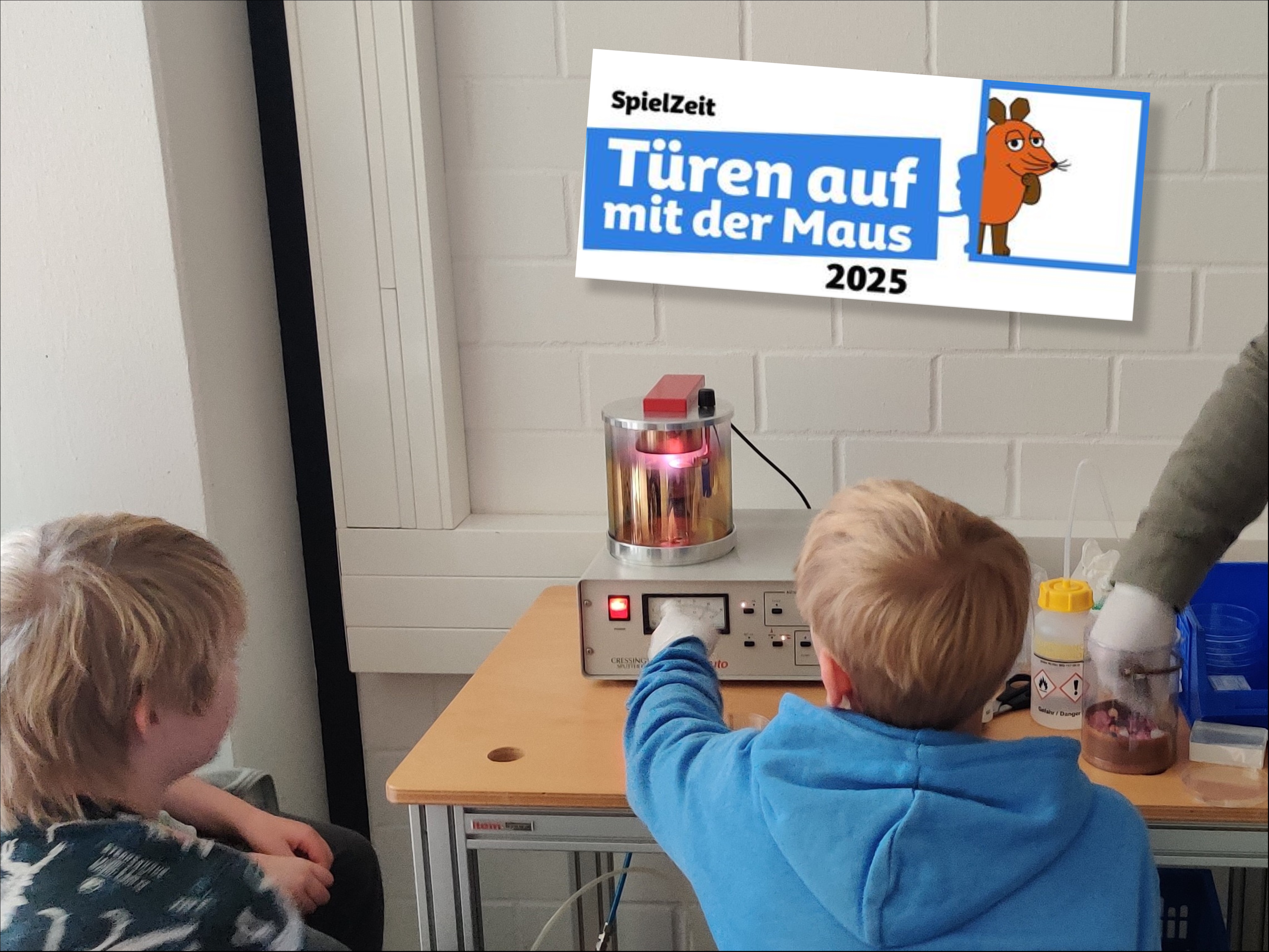 On 3th October, we celebrated the nationwide Mouse Day.
The Faculty of Physics at Ruhr-University Bochum invited children to discover the exciting world of physics and try their hand at lots of experiments.
In our workshop, the children were able to explore the glow of plasma and its applications. As a souvenir, the Mouse fans coated small ducks with gold using plasma.
- Details
Splinter Meeting at the German Astronomical Society Annual Meeting 2025
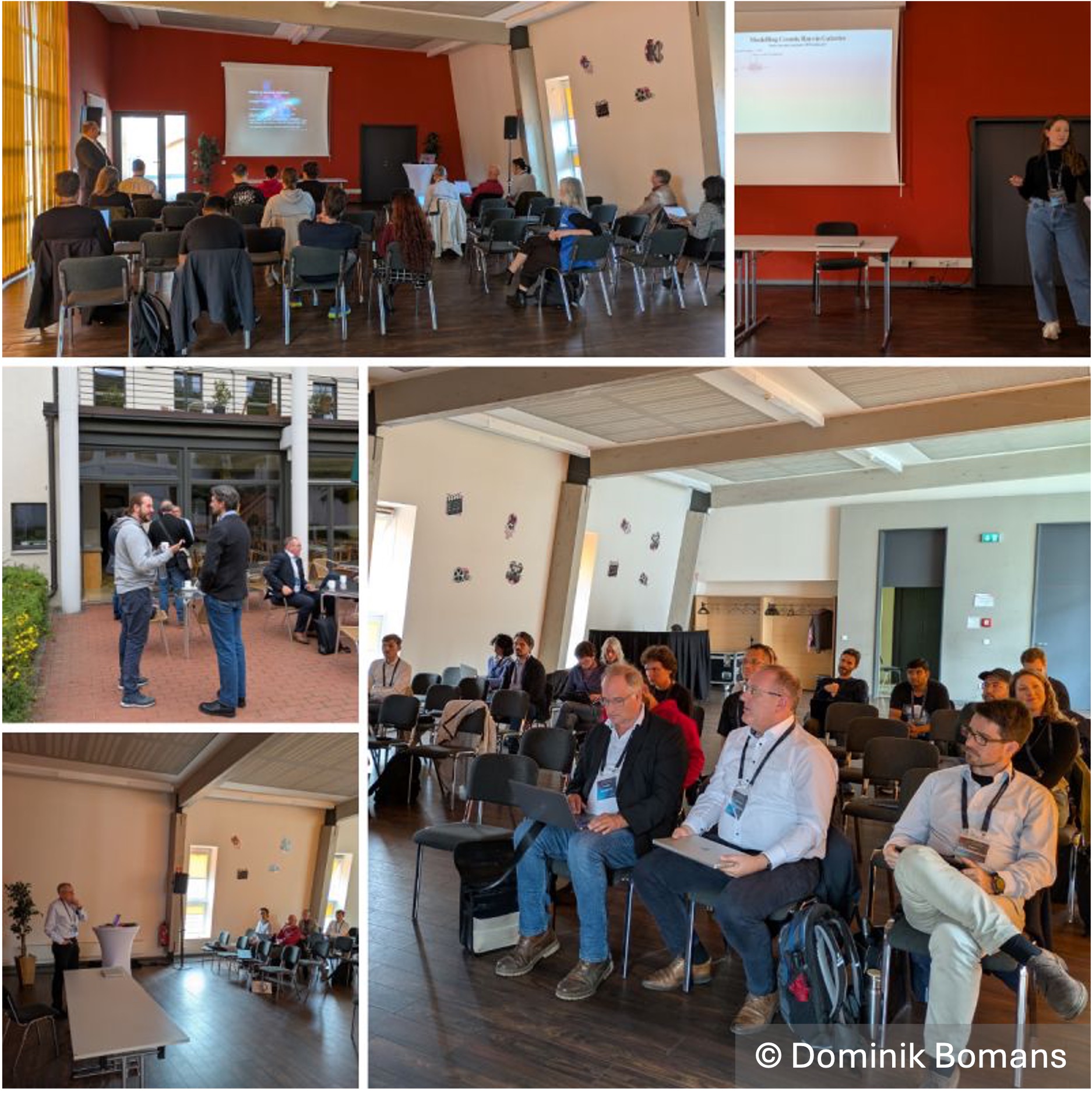 The CRC 1491 contributed to the 2025 Annual Meeting of the German Astronomical Society (Astronomische Gesellschaft) with the dedicated Splinter Session “Multi-messenger Signatures of Feedback Processes in Galaxies”, organized by Dominik Bomans and Dominik Elsässer.
This session brought together experts to discuss recent advances in understanding feedback mechanisms in galaxies through multi-messenger and multi-wavelength observations. The presentations and discussions explored how active galactic nuclei, massive stars, cosmic rays, and magnetic fields shape the interstellar medium, drive turbulence, and influence cosmic ray transport.
The full program can be found here.
- Details
Exciting News in Plasma Physics and Dark Matter Research
A recent study by the scientist Kevin Schoeffler, together with his colleagues Nitin Shukla (CINECA High-Performance Computing Department, Italy), and Luis Silva (Universidade de Lisboa, Portugal), has set a strong upper bound on long-range dark matter interactions through plasma physics. The research explores the intriguing possibility that dark matter could be charged under a unique “dark electromagnetism” (dark-EM), causing it to behave like a cold collisionless plasma.
Using advanced simulations, the team discovered that plasma instabilities could lead to significant slowdowns in dark matter dynamics.
Interestingly, astronomical observations of colliding galaxy clusters like the so-called „Bullet Cluster“ only fits to their findings if the interaction strength is extremely weak. As a result, they established a strong upper bound on the dark electromagnetic self-interaction constant.
This new constraint is much stronger than previous limits, suggesting that dark electromagnetic interactions are highly restricted.
This research not only advances our understanding of dark matter but also opens new avenues for further exploration and verification through observational measurements.
Read the full article here:
Can plasma physics establish a significant bound on long-range dark matter interactions?
K. Schoeffler N. Shukla and L. O. Silva, Phys. Rev. D 111, L071701
And please have a look at the popular science article here:
Intergalactic Collision Constrains Dark Electromagnetism
Physics 18, s48
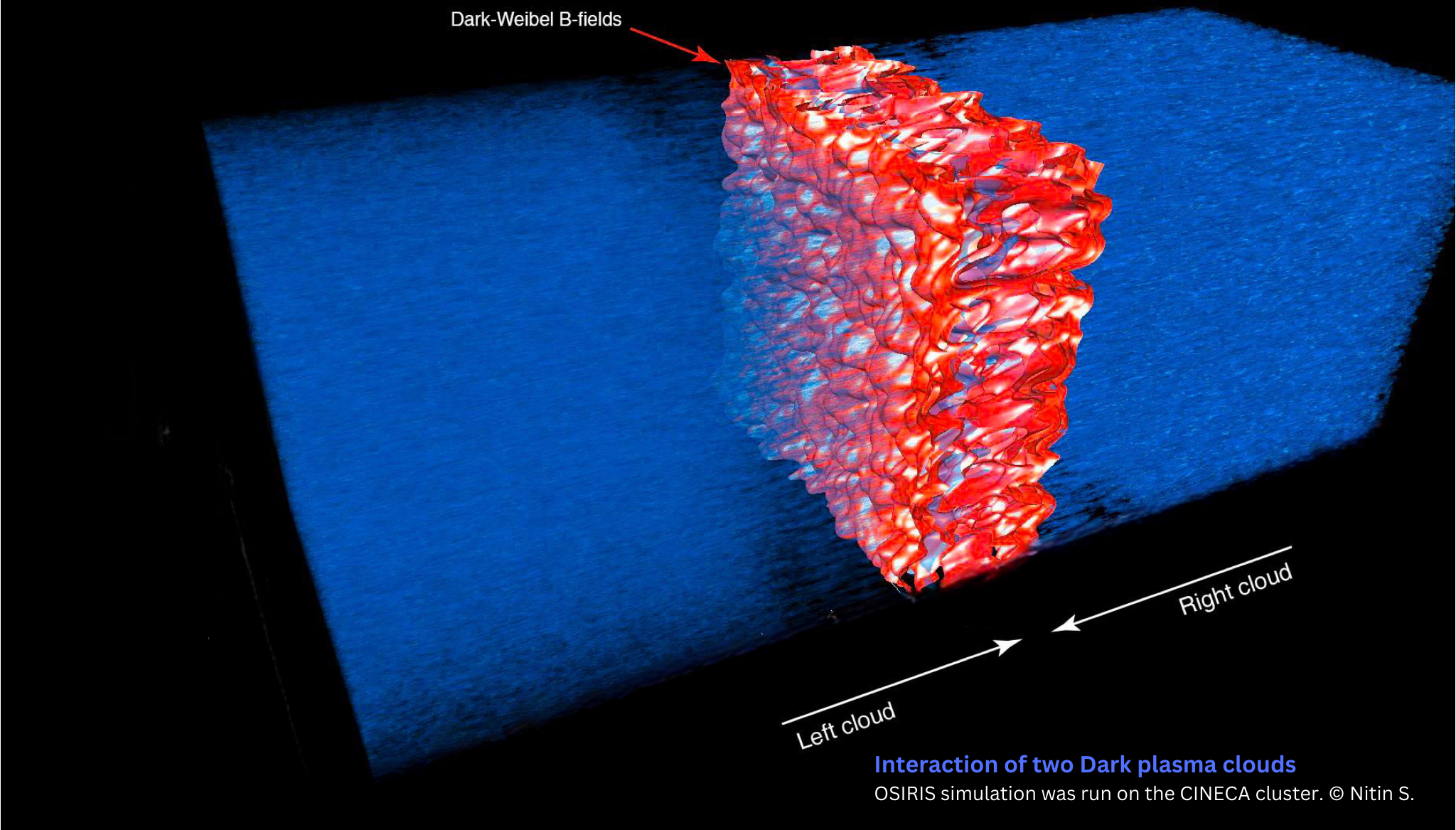
Picture: Counterstreaming slabs of dark matter plasma, shown in blue, are slowed down while interacting with dark magnetic fields, shown in red, which are generated by kinetic plasma instabilities.
- Details
Lab visit in Brazil
From Bochum to Brazil! Sarah Thiel set off on her journey and spent an exciting exchange semester at the Universidade Federal de São Carlos (UFSCar) in Brazil. Sarah is studying for a master's degree in biology at the RUB and is conducting research on enzyme immobilization in a project run by SFB1316. In Brazil, she continued working on her research project and learned new methods. But outside of research, Sarah also learned what it's like to live alone in a completely foreign country – with a new language, new people, and a completely different culture. In addition to new friendships, she brings back great impressions of everyday life in Brazil and unique experiences.
The stay took place as part of the Research School's Visiting International Professor Program, which is made possible by a cooperation between RUB and UFSCar. The research stay was funded by SFB1316.
- Details
CRC annual meeting in Hamminkeln
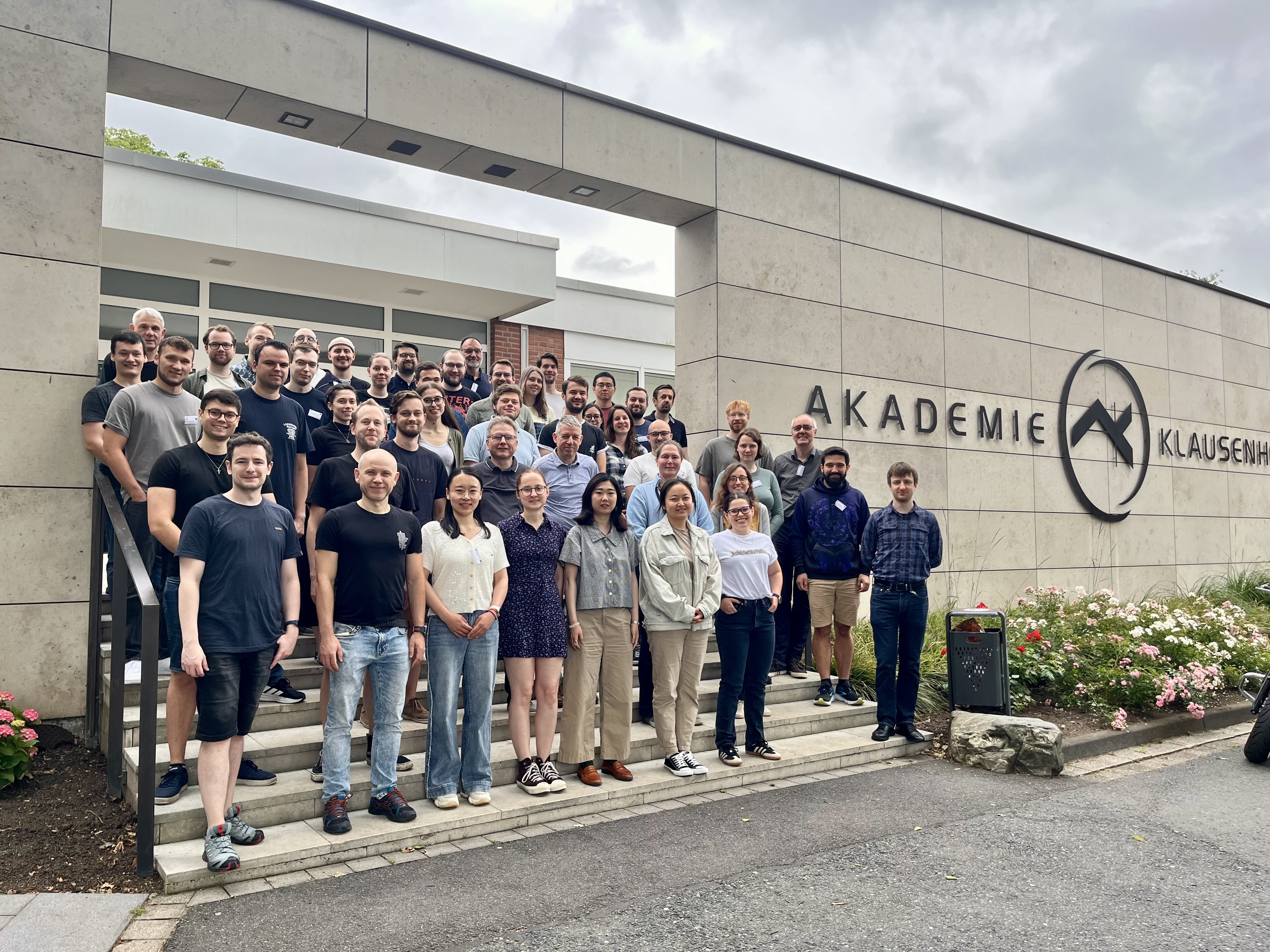 Building on the success of last year, this year’s general assembly of CRC 1316 once again took place in Hamminkeln-Dingden.
Over the course of three days, the CRC 1316 members discussed recent results and especially focussed on the upcoming scientific work.
The overwhelmingly positive feedback highlights the importance of this annual gathering in fostering scientific dialogue and advancing collaborative research.
- Details
Sam Taziaux selected for CSIRO Student Program!
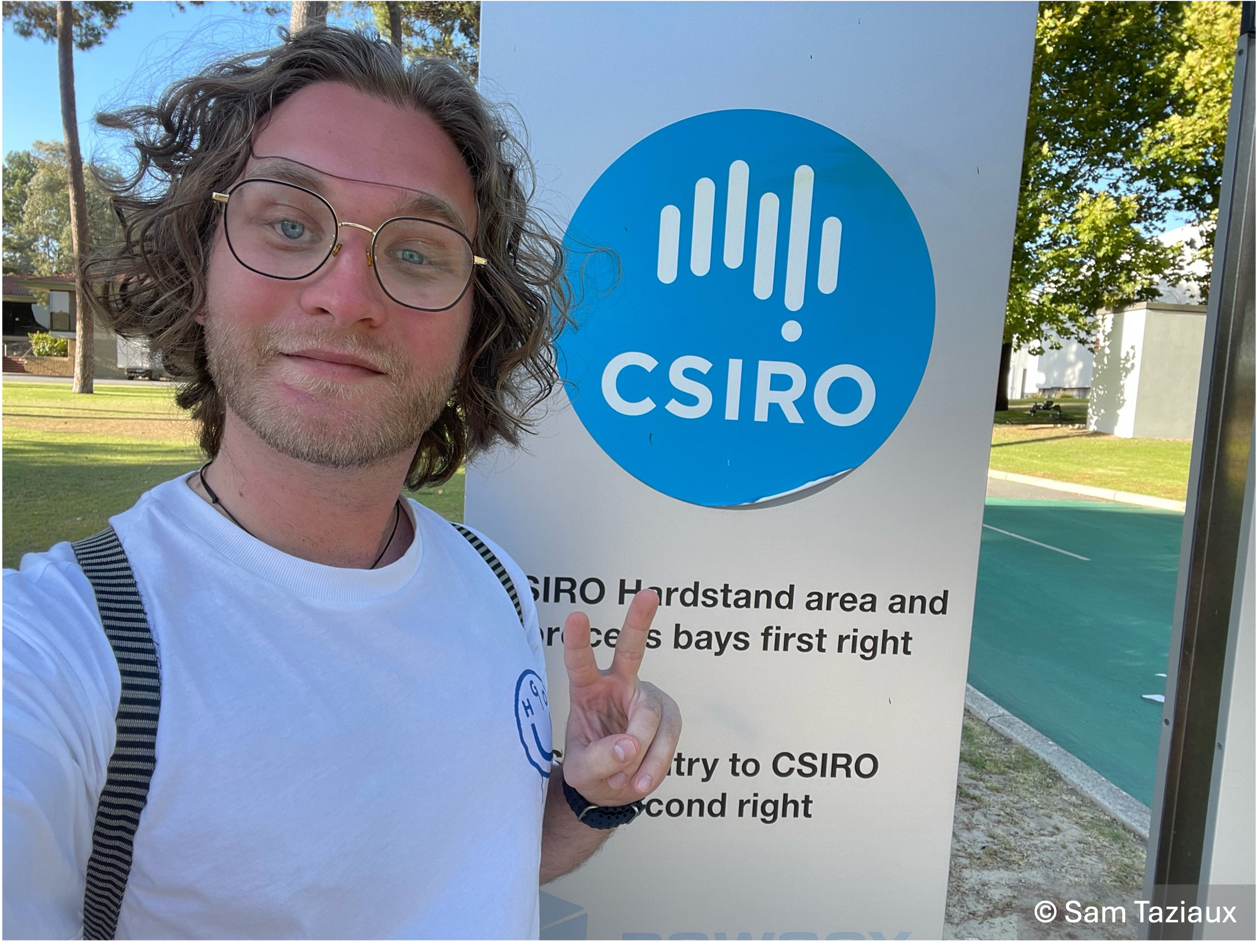 The CSIRO Student Program is a competitive initiative by the CSIRO, Australia’s national science agency. The program supports a small number of early-career researchers whose work aligns closely with CSIRO’s scientific priorities and who actively contribute to collaborative research with CSIRO teams.
Within project A2 of the CRC 1491, Sam focuses on the role of magnetic fields in dwarf galaxies and the transport of cosmic rays.
As part of the CSIRO Student program, Sam will return to Perth in November 2025 for a one-month research visit, deepening the scientific collaboration and highlighting the growing ties between the SFB and CSIRO.
He will work directly with Tim Galvin, Alec Thomson, and George Heald on joint modeling approaches and data interpretation, laying the groundwork for future shared initiatives.
- Details
Julia Tjus Member of the DFG Senate
 We congratulate our CRC Spokesperson Julia Tjus on her election into the Senate of the Deutsche Forschungsgemeinschaft (DFG) - German Research Foundation!
The Senate is the central scientific body that advises on all matters of fundamental importance to the DFG and, in many cases, also makes decisions.
- Details
CRC1316 presents at ISPC 26
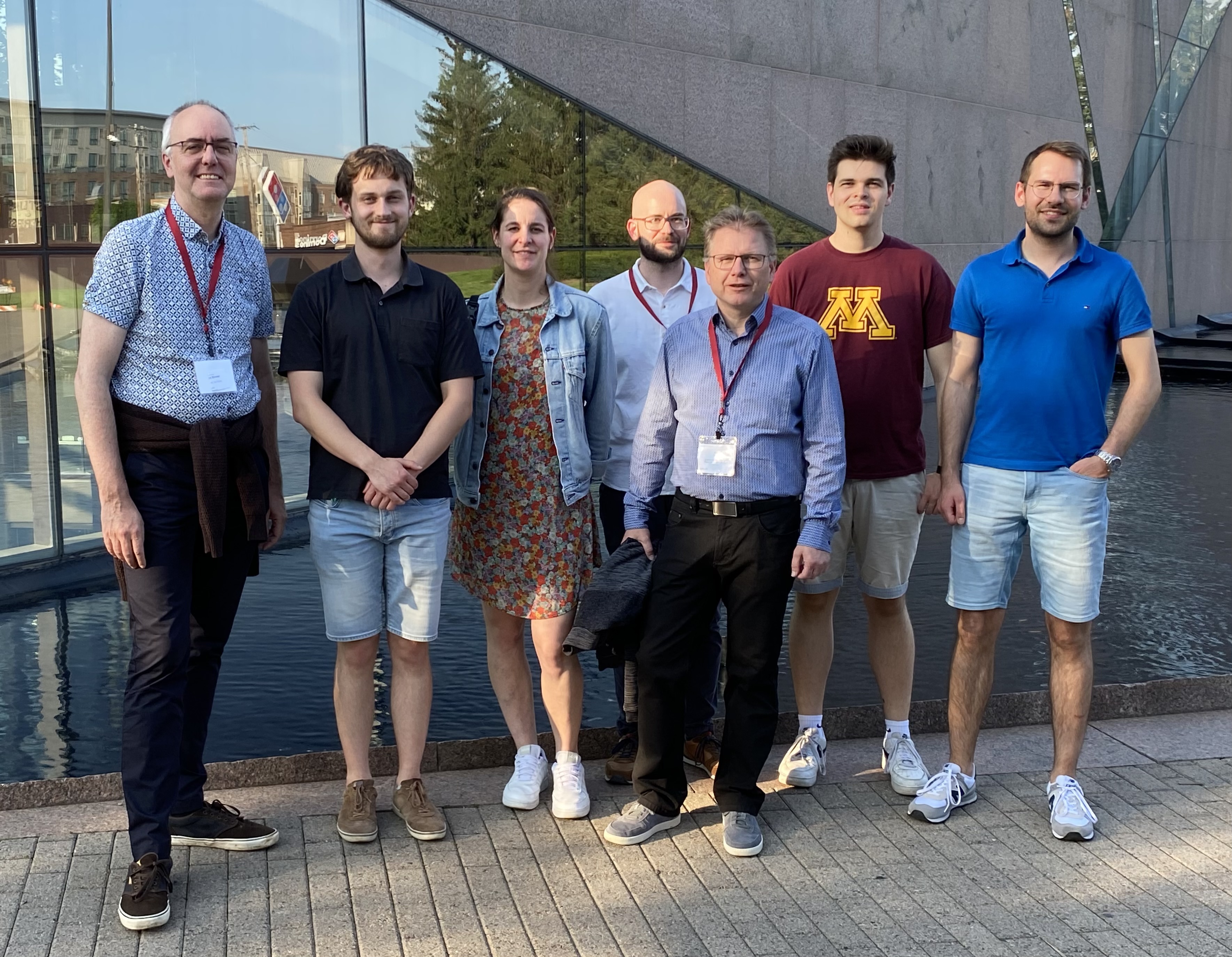 Seven researchers from the CRC1316 presented their results at the international symposium on plasma chemistry ISPC 26 in Minneapolis 15.6.-20.6.2025. The contributions included one invited lecture, 4 oral presentations, and one poster. The conference offered the possibility to interact with the peers in the community and to exchange new ideas and identify new trends.