- Details
CRC 1316 is part of the annual report 2023 of the German Science Foundation
The research of CRC1316 is highlighted in the German Science Foundation's annual report. Under the title "Electrifying with Plasmas," the various conversion strategies are explained and illustrated based on the CRC's individual projects.
- Details
15th workshop on Frontiers in Low-Temperature Plasma Diagnostics
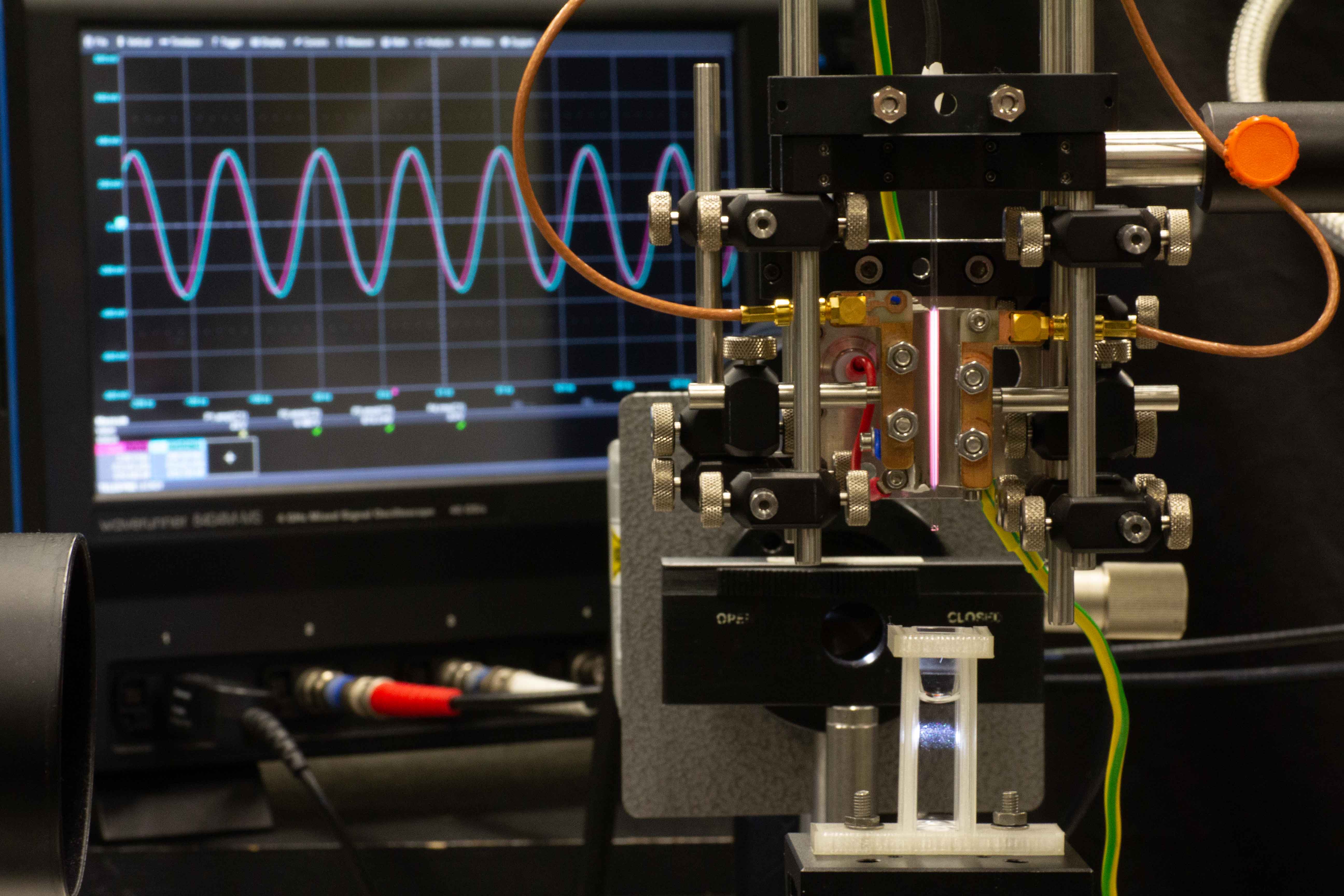
From 29th April until Thursday 2nd May, members of the Department of Pulsed Plasma Systems from the Institute of Plasma Physics of the Czech Academy of Sciences in Prague, Czech Republic, hosted the 15th Frontiers in Low-Temperature Plasma Diagnostics Workshop (FLTPD XV) in Liblice, Czech Republic. This biannual workshop was attended by a few members of the SFB1316 to connect with other researchers working in low-temperature plasma diagnostics from all over the world. Over the course of four days, nearly 30 lectures were held, discussing recent advancements and results of a variety of diagnostic techniques such as emission spectroscopy, electrical measurements, LIF & TALIF, cavity ringdown spectroscopy, EFISH and many more. Additionally, two poster sessions were held, providing further opportunities for discussions.
- Details
CRC 1316 participated at IWM 12 in Orleans
The 12th International Workshop on Microplasmas in 2024 has been held in Orleans, France, from June 3rd to 7th. One Invited, five Contributed talks, and two posters were presented by scientists from Ruhr University Bochum. The conference venue was the Museum Des Beaux-Arts with a nice location and environment in the centre of Orlean. The workshop covered wide topics on the microplasma sources and their generation in the gas phase or liquid dealing with interface behaviour from one side and diagnostics of microplasma sources and their application in material processing, plasma medicine, agriculture, etc. The modeling section provides research on the numerical simulation of streamer dynamics to the 0D Global kinetic model. Very insightful talks and discussions which in the end led to the overall view of microplasma's fundamental aspects and their application.
- Details
Laboratory stay in the USA
As part of his PhD, PhD student David Steuer (project A6) is spending nine weeks at the Sandia Plasma Research Facility (PRF) in Albuquerque, New Mexico, USA. Researchers can apply at PRF to submit project ideas. After a successful review process, there is then the option of using one of the excellently equipped laboratories or handing over the experiment to the cooperation partner.
The PRF also offers simulation capacities. In David's project, atomic oxygen densities are to be measured within a microcavity plasma array. A state-of-the-art picosecond laser system from the PRF can be used for this purpose.
The stay was funded by the Research School of the Ruhr-Universität Bochum (PRINT programme) and the CRC 1316.
- Details
Understanding the theory of particles in plasmas
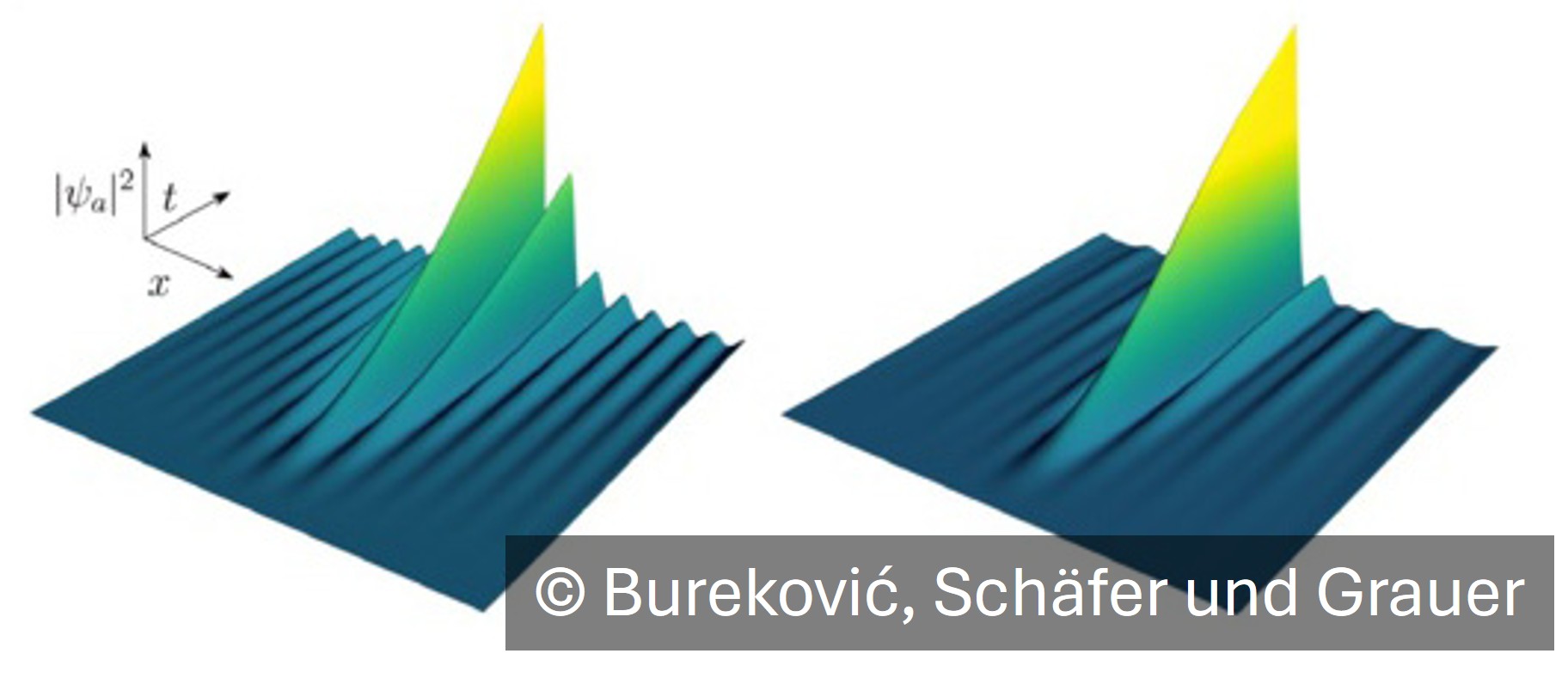
On Monday, January 22nd, scientists meet at RUB for the yearly meeting "Plasma and Particle Theory Day" to discuss the theory of particles in plasmas. Understanding the collective behavior of ionized particles is in the focus of research. A particular challenge is to understand how physical collisions of particles and the interactions between ions and electromagnetic fields are included in the various equations to describe the systems. In astrophysics, often these equations are dominated by the interaction of particles with electromagnetic waves. This is the research focus of the Collaborative Research Center SFB1491, "Cosmic Interacting Matters - From Source to Signal", centered at RUB. The research department of Plasmas with Complex Interactions also hosts SFB1316, "Transient Atmospheric Plasmas: From Plasmas to Liquids to Solids". Here, non equilibrium processes in atmopsheric plasmas for species conversion are the topic of research. Compared to astrophysical plasmas, these atmopsheric plasmas are very dense and physical collisions dominate the equations. It is the goal of the Plasma and Particle Theory day to move toward exploring the region in which both terms play a significant role. This is for instance the case in molecular clouds in the Milky way, in which the degree of ionization is as low as ~30% and naturally, collisions become important in the description. Another example is the physics of lightning that can be tested in the plasma lab and for which a briding theory is needed to understand the physics of atmospheric lightning. Once the particle interactions become inelastic, i.e at high energies or at extreme densities like they exist in neutron stars, the classical description needs to be replaced by the quantum mechanical one. Scientists therefore discuss the different methods, how synergies can be build and what the next steps are to build a consistent framework to combine classical and quantum-mechanical interactions.
Figure: Lukas Merten, TP4, RUB
- Details
Navigating New Frontiers in Fusion: ITER's Material Evolution
Boronization: A Three-Decade Journey Professor Jörg Winter's pioneering technique, "boronization," takes center stage as a key player in this evolution. Developed over three decades, this plasma-chemical process involves coating surfaces with a thin boron layer. Professor Winter's recent insights shared at ITER shed light on the principles and challenges of this technique, adding depth to the ongoing fusion discourse.
Discover more about this Fusion Evolution: Link to the full article
- Details
Small spheres save enzymes for biocatalysis
Plasmas can supply the co-substrate for the biocatalysis of valuable substances, but pity the enzymes. If the latter are attached to small spheres, they work protected and up to 44 times longer.
Some enzymes, such as the one from fungi studied here, are able to produce valuable substances such as the fragrance (R)-1-phenylethanol. To do this, they convert a less expensive substrate using a cosubstrate. A research team from the Department of Biology at Ruhr-Universität Bochum came up with the idea of supplying them with this cosubstrate via a plasma - a crazy idea, as plasmas generally have a destructive effect on biomolecules. However, using several tricks, the researchers led by Prof. Dr. Julia Bandow and Dr. Tim Dirks succeeded. They have now refined one of these tricks and thus improved the process: they attach the enzymes to small balls to hold them to the bottom of the reactor and like this protect them from the harmful influence of the plasma. By choosing the most suitable type of ball, they were able to increase the stability of the enzyme 44-fold. They report in the Journal of the Royal Society Interface from October 25, 2023.
Model enzyme from an edible mushroom
"In plasma-driven biocatalysis, we want to operate enzymes that use hydrogen peroxide to convert a substrate into a more valuable product using technical plasmas," explains Julia Bandow, Head of the Chair of Applied Microbiology. The plasmas - energetically charged gases - produce hydrogen peroxide as well as a variety of reactive species.
The researchers use the non-specific peroxigenase (AaeUPO) from the edible fungus Agrocybe aegerita as a model enzyme. In initial studies, they were able to show that although plasma-driven biocatalysis works with it, there are also key limitations. "The decisive factor was that the enzymes react sensitively to the plasma treatment and are therefore inactivated within a short period of time," explains Tim Dirks, first author of the current study. "To prevent this, we use the method of enzyme immobilization, i.e. attaching the enzymes to so-called beads: small spheres with a porous surface."
Spheres keep the enzymes at the bottom
Due to gravity, these spheres lie on the bottom of the sample and provide a protective zone between the plasma phase at the top and the enzymes. The research team observed early on that the choice of different immobilization methods also led to different survival rates of enzymes. The aim of the current study was therefore to investigate the effect of different immobilization methods on the plasma stability of enzymes using a larger selection of enzymes.
Five different enzymes were selected, two of which also convert hydrogen peroxide and three of which do not require hydrogen peroxide for their activity. The researchers tested nine different types of beads, some of which had a resin surface and others a silica surface with or without a polymer coating. After immobilization, the enzymes were treated with plasma for up to five minutes. The researchers then compared their residual activity with untreated controls.
The path to new applications
The beads with resin surfaces showed the best results for all five enzymes. "The amino and epoxy-butyl beads performed best," like these," says Tim Dirks. In both cases, the enzymes form a strong, covalent bond with the carrier material, which cannot be dissolved. "This type of immobilization appears to limit the mobility of the enzymes, which makes them less susceptible to plasma-induced inactivation," concludes Tim Dirks. The team extended the plasma treatment times for the most promising candidates to up to one hour and, like this, was able to increase the stability of the enzymes under plasma treatment by up to a factor of 44 through immobilization. "The findings of this study thus pave the way for new applications that aim to combine enzymes with technical plasmas in the future," the researchers like this.
adapted from Maike Drießen, RUB
- Details
Purple flashes on the skin
Cold plasma has an antimicrobial and anti-inflammatory effect. This has also been shown by studies at Ruhr University. Promising applications in medicine and cosmetics are now emerging.
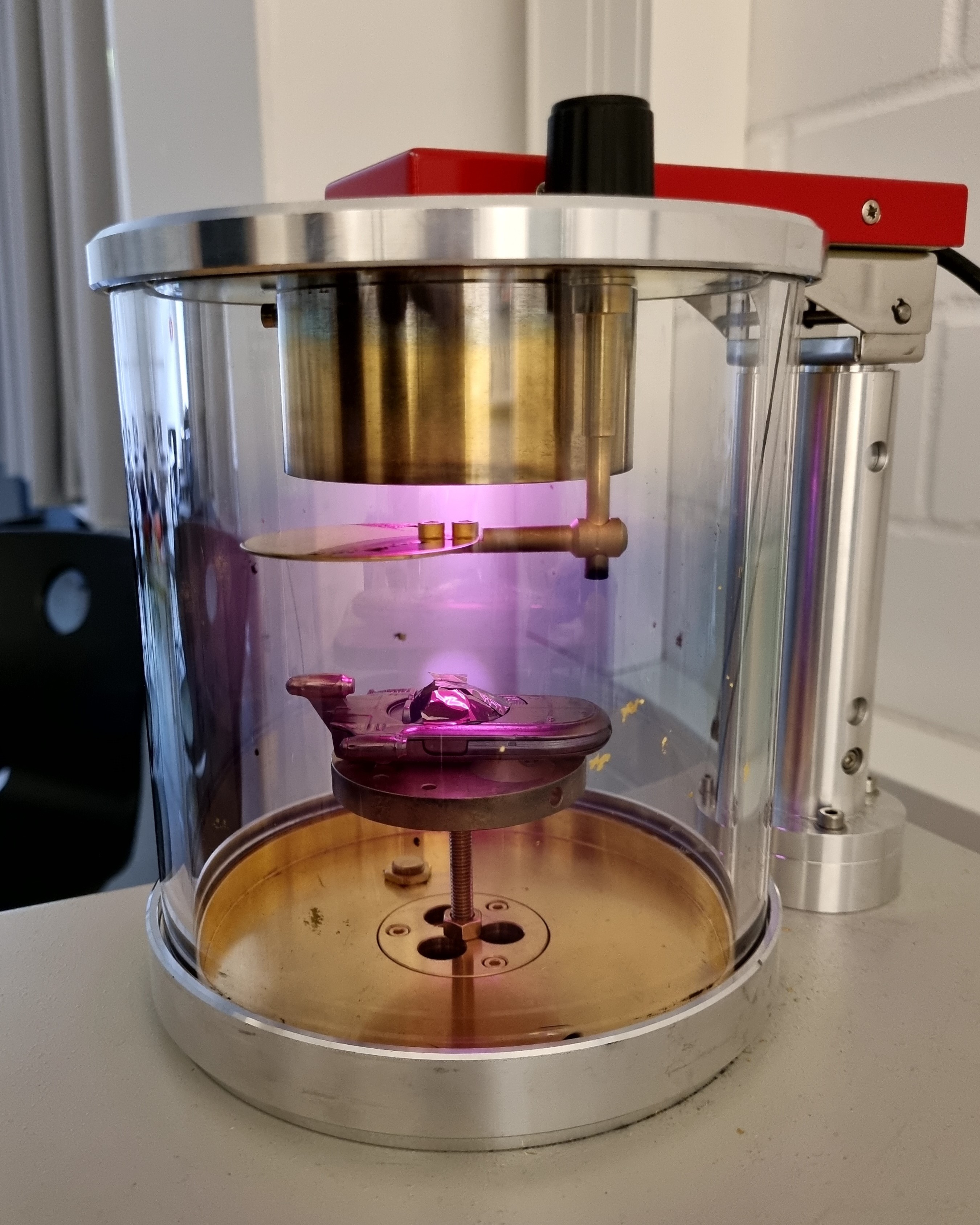
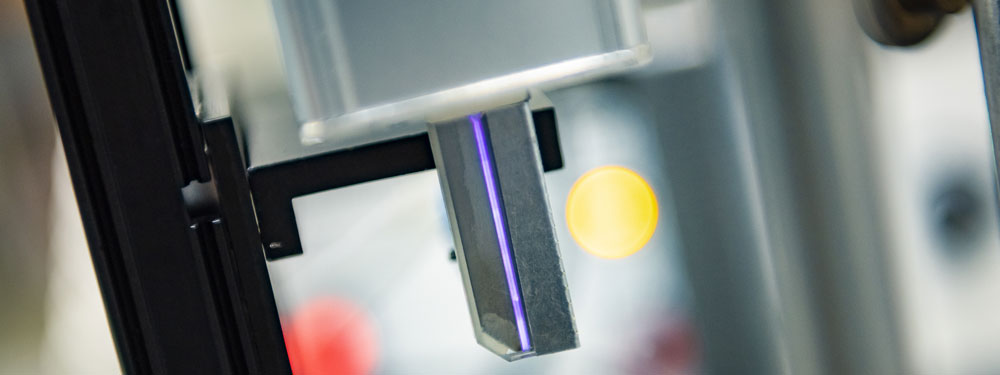
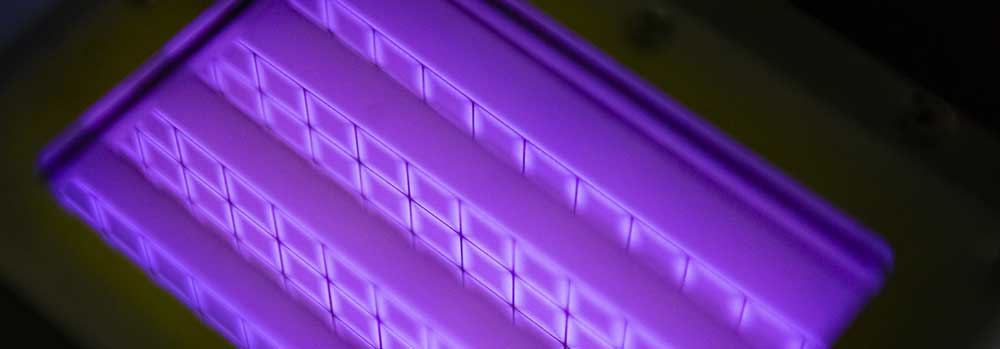
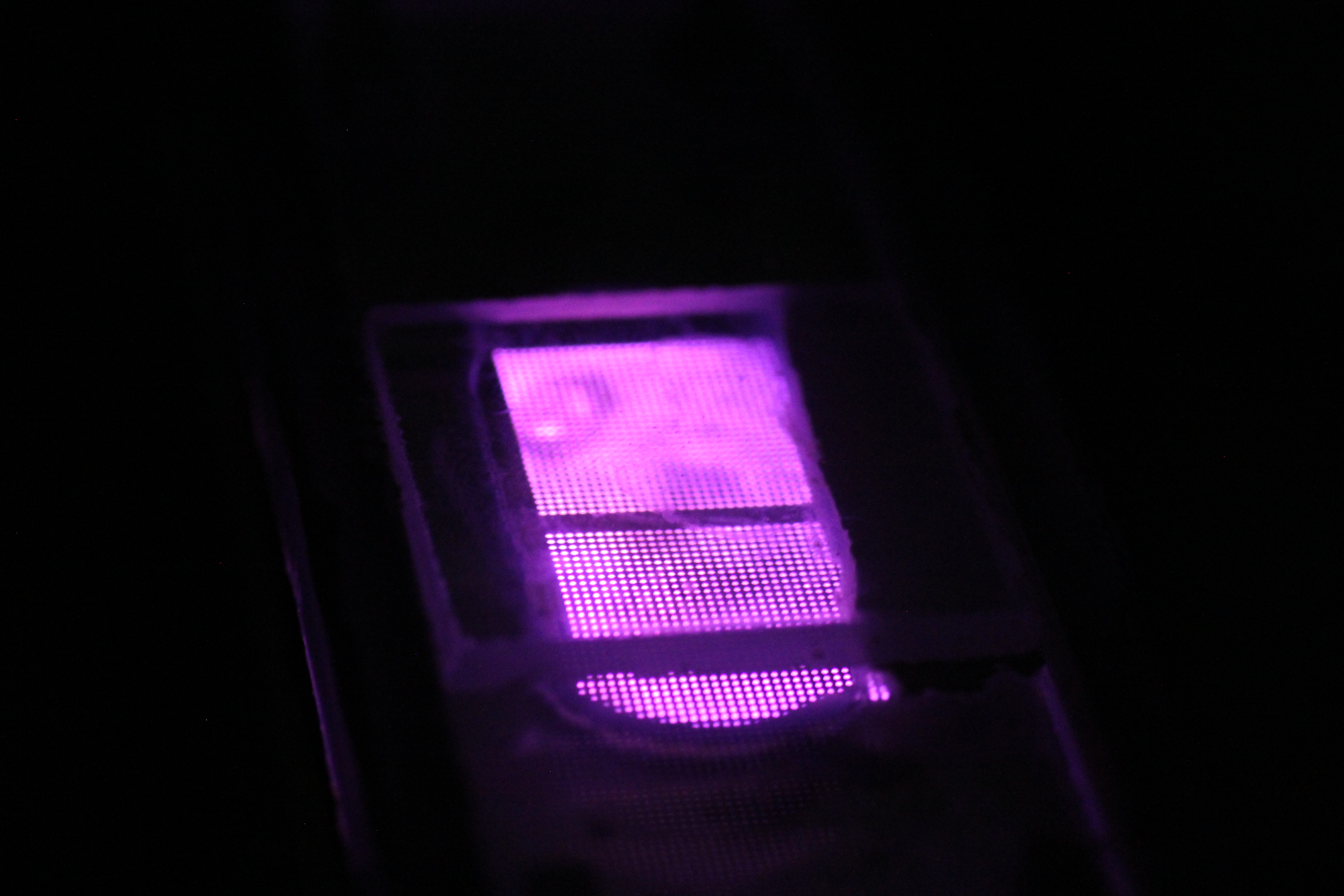
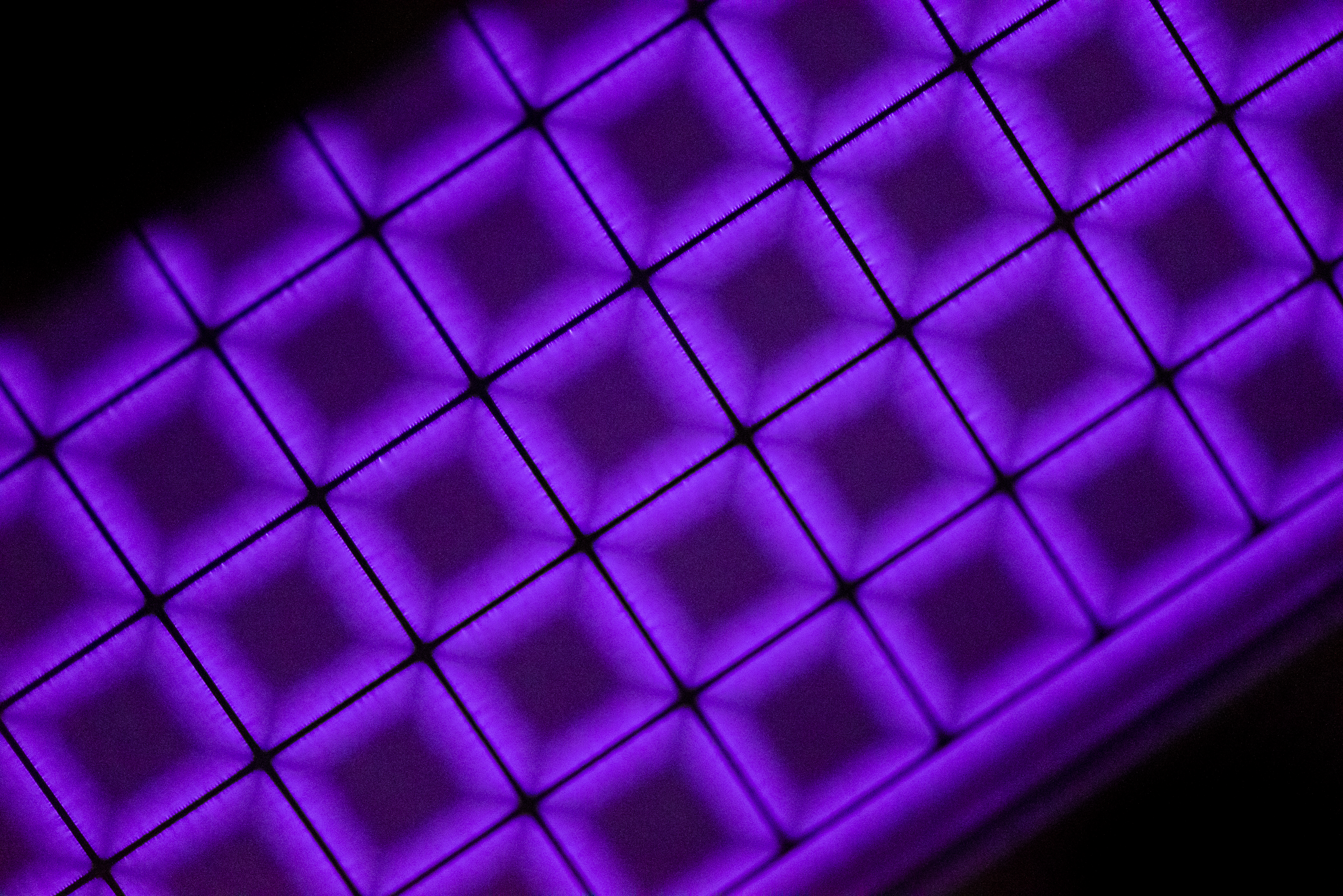
Fine purple lightning flashes through the darkness of the laboratory. It crackles quietly. The flashes are generated inside a 12-by-12-centimeter plasma reactor. After just a few microseconds, the spectacle is over. "This is ionized, particularly high-energy gas or plasma. Most people are familiar with this colourful phenomenon from auroras, which are nothing more than gaseous plasma," says Dr. Friederike Kogelheide from the Chair of Applied Electrodynamics and Plasma Technology at Ruhr-Universität Bochum. "Plasma can be described as the fourth state of matter after solid, liquid and gaseous. There is thermal and non-thermal, i.e. cold plasma," Kogelheide continues like this. The electrical engineer dealt with the latter in her doctoral thesis. It is characterized by a particularly low temperature - at least in comparison to other plasmas, which can reach temperatures of several thousand degrees Celsius. "Cold plasma corresponds approximately to our body temperature, i.e. just over 30 degrees Celsius, and is therefore skin-friendly," explains Kogelheide. Kogelheide has studied the influence of cold plasma on human skin cells, or more precisely, its antimicrobial effect. Her research findings have also led to the founding of her start-up Glim Skin.
For around ten years, researchers in biology, chemistry, medicine and electrical engineering have been investigating the use of cold plasma in medicine. There is great promise here, particularly in the field of wound care and healing. "Studies like this have already shown that molecules produced by plasma, such as nitric oxide, can accelerate wound healing. The beneficial effect of cold plasma is also attributed to the ozone concentration and UV radiation in the plasma," explains Kogelheide. Another advantage of cold plasma is that it corresponds to the body's own temperature and can therefore be applied to human skin both painlessly and without contact. Great hopes are therefore being placed in plasma research.
Fighting resistant bacteria
In order to investigate the antimicrobial effect of cold plasma, the interdisciplinary research team in Bochum led by Kogelheide experimented with spores. "We mainly investigated the effect of plasma on so-called Bacillus subtilis spores. These bacteria are known to be particularly resistant; they can even survive in permafrost. They are therefore considered the gold standard in experiments," explains Kogelheide. The researchers' aim was to specifically reduce and completely kill the spores using cold plasma.
We proceeded in small steps.
– Friederike Kogelheide
"We proceeded in small steps," like this," says Kogelheide. "Our main focus was on the biological substances and building blocks produced by the cold plasma, such as UV radiation, ozone concentration and nitrogen monoxide. How much of this does our plasma produce? Do the spores continue to grow after treatment with plasma? What dose destroys the spores? And what part does the ozone play in this?" Kogelheide's team repeatedly checked and changed the composition of the gas mixture, the treatment time and intensity. Measurements were made using emission and absorption spectroscopy.
The result: it was not the individual components, but only the interaction of ozone, UV radiation and nitrogen monoxide that led to the inactivation of the spores. "The individual components alone had no effect. This is because the substances form a synergy. Another interesting finding was that a natural humidity of around 45 percent relative humidity promoted inactivation," explains Kogelheide.
Lower risk of infection
With their findings, the Bochum researchers have once again provided proof that cold plasma has an antimicrobial effect. They were also able to confirm that plasma produces nitric oxide, which can close wounds. "If we could replace wound healing creams with plasma treatment in the near future, that would be a huge advantage," says Kogelheide. This is because cold plasma can be applied without contact. "In contrast to creams, the risk of infection is significantly lower with plasma applications," explains the scientist.
Plasma flashes in hospital
Anti-inflammatory, wound-healing, antimicrobial: even though plasma research is still in its infancy, promising areas of application are already emerging. "Companies are already waiting in the wings to invest capital in the approval of plasma-based medical products by health insurance companies," observes Kogelheide. At some point, it may be a matter of course that the purple plasma flashes will be flashing through all hospitals.
adapted from Lisa Bischoff (RUB)
- Details
Radio2023 Conference: Advancements and Challenges in German Radio Astronomy
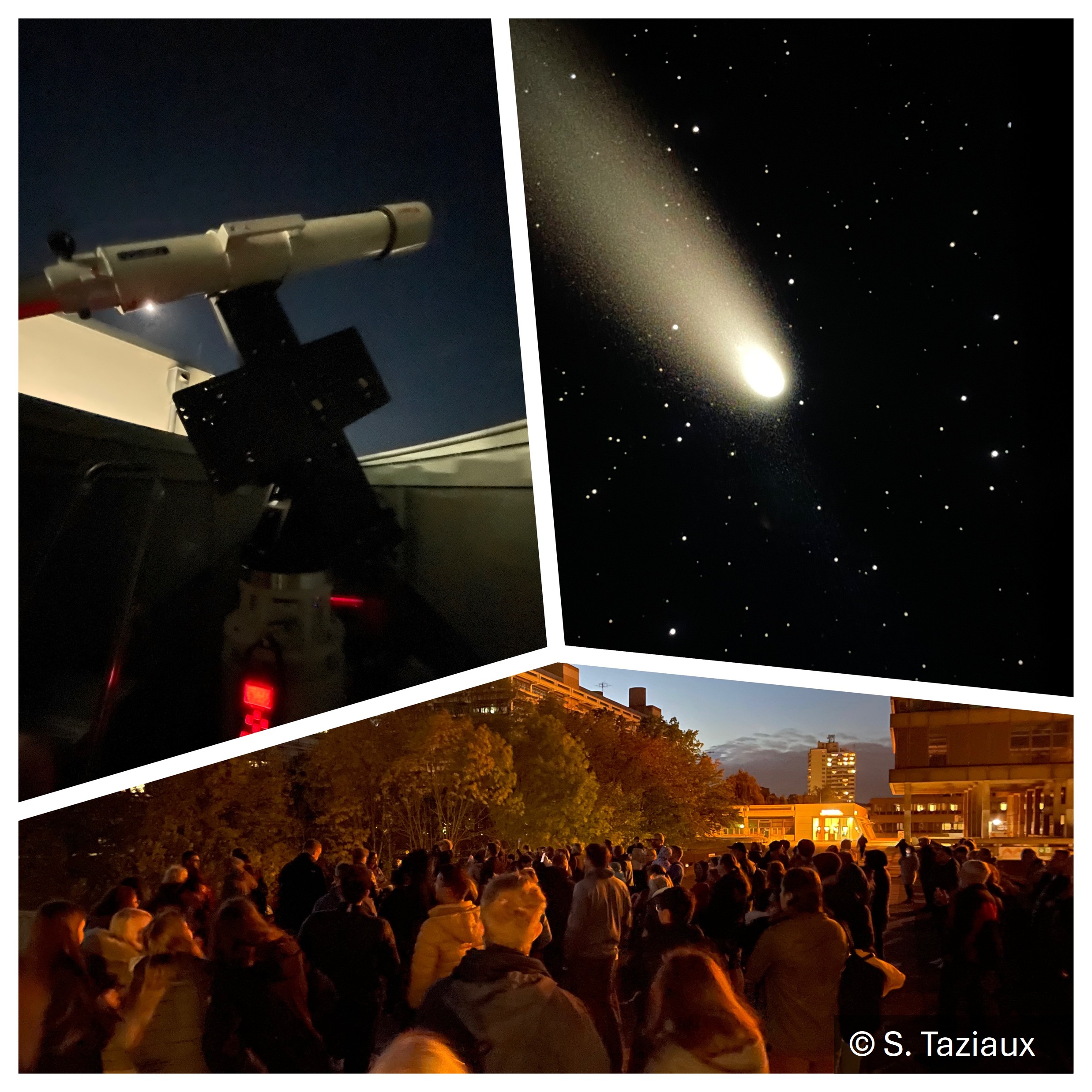
The "Radio2023" conference recently convened at Ruhr University Bochum, offering insights into the progress and challenges within German radio astronomy. One hundred astronomers attended the event which facilitated collaborative discussions focusing on exciting new scientific results as well as innovative strategies for managing complex data sets from telescopes like LOFAR, MeerKAT, SKAO, DSA2000, and ngVLA.
Highlighting the importance of existing telescopes, including LOFAR and MeerKAT, as foundation to future instruments, the conference emphasized the need for novel approaches for data processing and storage.
The conference served as a crucial platform for operators of national data centers to discuss technical requirements and assess the feasibility of upcoming projects.
In summary, "Radio2023" provided a forum for fruitfully discussing current achievements, future opportunities, and challenges within German radio astronomy, ensuring a collaborative and informed approach to advancing the field.

- Details
Judith Golda joins AVS 69th International Symposium
Judith Golda, representing CRC 1316, captivated audiences at the AVS 69th International Symposium in Portland, Oregon, from November 5-10, 2023. Her invited talk, "Fundamentals of atmospheric pressure discharges for plasma catalytic applications," highlighted the critical role of atmospheric pressure discharges in plasma catalysis. Her presentation presented theory and application, emphasizing the transformative potential of understanding these discharges for catalytic processes in industries, environmental remediation, and energy production.
- Details
Live monitoring of the inner plasma process
Dr. Moritz Oberberg and two team colleagues are preparing to set up the spin-off “House of Plasma”. The company is launching the Multipole Resonance Probe in various designs. It allows industrial plasmas to be monitored in real time to ensure that they help to consistently apply identical, faultless coatings to surfaces, for example.
Mr. Oberberg, if someone had told you five years ago that you would plan to start a company today, what would you have said?
The idea of setting up a spin-off with measurement technology is not that new. My predecessor, who completed his doctorate in 2015, was already talking about it, but it wasn’t fully developed at the time. Personally, I could always picture myself being self-employed. The timing depends, of course, on the development and the response. Still, I’ve been thinking about self-employment for a while. I have a background in this field and, in addition to my education, I also have the necessary contacts.
The company has not been established yet. How do you keep busy at the moment?
Well, I’m not alone, the three of us share all tasks that come up. We are currently planning industrial tests with a company for our latest designs – we have to travel abroad for this purpose. There’s a lot of red tape. It’s not so easy to take measuring equipment out of the country.
Other than that, I’m busy pushing the development of our products and writing project proposals. I should mention that RUB offers invaluable support with the Worldfactory Startup Center. It has a team of excellent people who help us with everything. At the moment, for example, we are working out how to acquire patents held by RUB. Articles of incorporation are still to be written before we can set up the company, the financial plan is being finalised, and the search for investors is also underway. Before we can sell something, we have to be able to purchase, for which we need capital; the same is true for marketing, premises, equipment and so on. In the current funding project at the university, tests continue in the laboratory and with industrial partners, under difficult conditions due to the pandemic, and the technology is constantly being optimised. This is all going on simultaneously.
What can prospective customers expect from you?
Our prospective clientele might include, for example, a company that coats spectacle lenses. We would check with them what their expectations are and whether our technology offers added value for their company. Can it be used? If yes, then our hardware in combination with the relevant software can provide insights that were not there before.
We compare it to a breakfast egg: I like it when the yolk is still soft but the egg white is hard. However, while it’s cooking, I can only rely on my experience, not really measure what’s going on inside the egg. At most, a peripheral measurement of the temperature on the shell would be possible, but not inside the egg. What we do now, however, is supply the data straight from the egg.
adapted from Meike Drießen (RUB)